

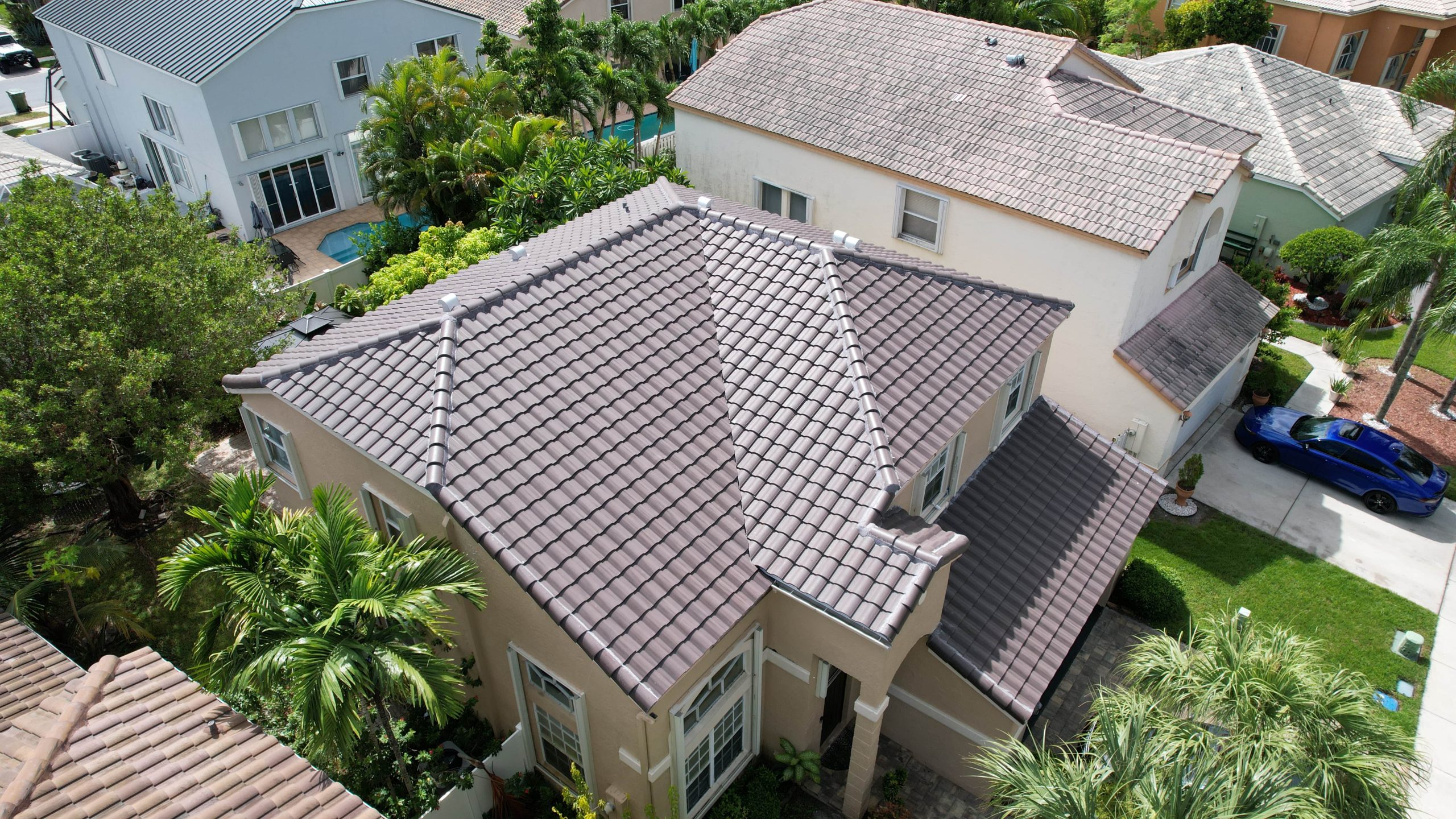
An entry door replacement is easy to treat as a cosmetic upgrade. The old door looks tired, a new one will look better, and the decision feels like a matter of style and color. For a South Florida home, that framing misses most of what an entry door actually does. The front, side, and rear doors are part of the home’s protective envelope, points where storm exposure, security, water intrusion, and comfort all meet. Replacing one with an impact rated door is a chance to improve all of those, but only if the project is approached as more than a swap of one door for another.
The difference between a good entry door project and a disappointing one usually comes down to what was reviewed before the door was chosen. A door is only as strong as the opening it sits in and the quality of its installation. An impact rated door installed into a compromised frame, or fitted poorly, cannot deliver what it was chosen for. That is why the review of the opening, the exposure, and the scope matters as much as the door itself.
This article walks through what to review before replacing entry doors with impact rated doors, from the condition of the opening to the protection the door should support, the scope considerations that affect the result, and the documentation that should come with the project. If you are planning an entry door upgrade, a proper assessment through the impact windows and doors side of a qualified contractor is the right place to start.
Why an Entry Door Replacement Should Start With the Opening
The most important part of an entry door project is not the door. It is the opening the door sits in, because the opening determines whether the new door can perform as intended.
The Door Is Only as Strong as the Frame and Installation
An impact rated door is engineered to resist storm forces and forced entry, but that engineering only works when the door is anchored to a sound frame, connected properly to the wall, set on a solid threshold, and fitted with secure hardware. If the frame is weak, the wall connection is poor, or the installation is imprecise, the door cannot deliver its rated performance no matter how good the door itself is. This is why a review of the frame, the wall connection, the threshold, and the hardware comes before the choice of door. The opening and the installation are where the protection is won or lost, and treating them as the foundation of the project rather than an afterthought is what makes the upgrade real.
Old Doors Can Hide Water or Alignment Issues
An aging entry door often conceals problems that only become visible once it is removed. Swelling, rust, soft trim, gaps that have widened over time, and the marks of previous repairs all point to issues around the opening that should be addressed during replacement. Water intrusion in particular can damage the surrounding framing and trim quietly over years, and installing a new door over that damage would leave the underlying problem in place. A careful assessment looks for these signs and plans to address what is found, so the new door is set into a sound opening rather than into hidden trouble.
What Impact Rated Doors Should Be Expected to Support
Choosing an impact rated door is choosing a set of capabilities. Understanding what those doors are meant to support helps a homeowner match the door to their priorities.
Storm Protection and Security Goals
Impact rated entry doors are built with storm exposure and security in mind. They are designed to resist the wind and debris of storm conditions and to be harder to breach than ordinary doors, which supports both protection and peace of mind. These capabilities should be described carefully rather than overstated, since no door makes a home invulnerable, but they are real reasons impact rated doors suit South Florida homes. A homeowner thinking about storm protection and security as goals, and choosing a door and installation that supports them, is making the decision on the right basis. The product fit should match the actual exposure of the opening rather than a one size approach.
Comfort, Noise, and Curb Appeal
Beyond protection, impact rated doors bring secondary benefits worth noting without overpromising. A well sealed, well fitted door can reduce drafts and outside noise, contributing to comfort. A new entry door also improves the appearance of the home, which matters to many homeowners. These benefits are genuine, but they work best when treated as additions to the core protection and security purpose rather than as the main reason for the upgrade. Keeping the priorities in order, protection and a sound opening first, comfort and appearance alongside, leads to a door that satisfies on every front.
What to Check Before Choosing the Door Style
Style matters, but it should follow the practical review rather than lead it. A few checks help match the door to the opening and the exposure.
Entry Location and Exposure
Different entry doors face different conditions. A front door, a side door, a rear door, and a door on a wind facing elevation each have their own exposure, and that exposure should inform the choice. A door that takes direct wind and weather has different priorities than a sheltered side entry. Considering the location and exposure of each door before choosing its style and specification ensures the door suits its real conditions. This is part of why an entry door project benefits from a review of the actual home rather than a catalog decision made in the abstract.
Glass Inserts, Sidelites, and Hardware
Design details carry practical implications. Glass inserts and sidelites affect both appearance and the way the opening performs, and they have their own considerations for storm rated assemblies. Hardware affects security and daily function. These details are part of the scope and the documentation, not just the look, so they should be considered with both appearance and performance in mind. A homeowner who understands that sidelites and glass inserts are part of the protective assembly, rather than purely decorative, makes better informed choices about the door style.
Entry Door Condition | What It May Indicate | Project Planning Implication |
Swelling or soft trim | Water intrusion around the opening | Frame and trim repair in scope |
Rust or worn hardware | Aging assembly and security wear | Hardware and threshold review |
Gaps or poor alignment | Settling or past installation issues | Opening correction before fitting |
Wind facing exposure | Higher storm load on the door | Product fit matched to exposure |
Sidelites or glass inserts | Larger glazed area in the assembly | Storm rated glazing and documentation |
How the Installation Scope Can Change
Entry door projects can expand once the old door is removed and the opening is exposed. Understanding why helps a homeowner plan for a complete result rather than a surprise.
Frame Repair, Threshold Work, and Finishing
When the old door comes off, the condition of the frame, threshold, and surrounding materials becomes clear. If repair is needed, addressing it is part of installing the new door correctly, and it may be included or handled as an adjustment to the scope depending on what is found. Threshold work is common, since the threshold is both a wear point and a part of the weather seal. Finishing, where the new door meets the wall, trim, and floor, is what makes the installation both watertight and attractive. A scope that anticipates these elements produces a cleaner result than one that treats the door as a simple drop in replacement.
Interior and Exterior Protection During Installation
An entry door replacement affects the areas around the opening, inside and out. Flooring near the door, interior trim and paint, and exterior finishes such as stucco can all be involved, and protecting them during the work matters. Cleanup is part of the job too. Discussing how the surrounding areas will be protected and how the site will be left helps set expectations and avoids the small frustrations that come from an otherwise good installation marred by avoidable mess or damage. These practical details are part of a well run entry door project.
What Documentation Should Come With the Project
An impact rated door project should leave the homeowner with documentation that supports both compliance and the home’s records.
Product Approval and Installation Records
Impact rated products carry approval documentation that matters in South Florida, and the homeowner should receive records of the product and its installation. These records support code compliant planning and provide proof of what was installed, which is valuable for warranty questions and for the eventual sale of the home. Asking what product approval and installation documentation will be provided, and keeping it on file, is part of a properly handled project. This documentation is part of what distinguishes a professional impact door installation from a basic door swap.
Permit and Inspection Considerations
Entry door replacement with impact rated products typically involves permit and inspection considerations, and these should be handled with care rather than presented as a fixed timeline. The specifics depend on the jurisdiction and the project, so the homeowner should expect the contractor to address permitting and inspection as part of the process and to explain how it applies to their project. Understanding this in advance, framed as a process rather than a fixed schedule, sets realistic expectations and keeps the project on a compliant footing.
When Doors and Windows Should Be Planned Together
An entry door rarely exists in isolation. Sometimes the most sensible plan considers the door alongside the home’s other openings.
Matching Protection Levels Across Openings
If a home is upgrading windows for storm protection, leaving the entry doors at a lower level of protection can create a weak point in the envelope. Matching protection levels across the openings, so the doors and windows work as a consistent system, produces a more complete result. This does not mean every project must address everything at once, but it does mean the entry door decision benefits from being made with the whole envelope in mind. Where windows are part of the picture, coordinating with impact windows installation Broward County homeowners are planning keeps the protection consistent.
Coordinated Project Scope and Design
Planning doors and windows together also brings practical benefits in scope and design. Hardware, finishes, and timing can be coordinated, and the documentation stays consistent across the openings. Even when work is phased, having a single plan that covers the entry doors and the windows prevents repeated measurements and mismatched products later. For homeowners considering more than just the entry door, raising that during the assessment lets the contractor plan the openings as a coordinated whole rather than as disconnected projects.
A short entry door opening checklist helps a homeowner prepare for the assessment:
- Note which doors face direct wind or weather exposure.
- Check for swelling, soft trim, rust, gaps, or signs of past water intrusion.
- Identify doors with sidelites or glass inserts.
- Consider security priorities for each entry location.
- Note any drafts, noise, or comfort issues at the doors.
- Decide whether windows should be reviewed at the same time.
Common Mistakes That Weaken an Entry Door Upgrade
Most disappointing entry door projects can be traced to a handful of avoidable mistakes. Recognizing them in advance helps a homeowner steer the project toward a result that actually performs.
Choosing the Door Before Reviewing the Opening
The most common mistake is selecting the door first and treating the opening as a formality. A homeowner falls for a style, picks a color and hardware, and only later discovers that the frame is compromised or the threshold needs work. When the opening is reviewed after the door is chosen, the project either absorbs unexpected changes or, worse, proceeds without addressing the opening at all, leaving the new door to underperform. Reversing the order, reviewing the opening and exposure before choosing the door, keeps the project grounded in what the home actually needs. The style decision is more satisfying when it sits on top of a sound plan rather than substituting for one, and the finished door looks better, and performs better for years, precisely because the opening beneath it was reviewed and made right first.
Leaving One Opening at a Lower Protection Level
Another frequent mistake is upgrading some openings while leaving others behind in a way that creates a weak point. A home that installs strong windows but keeps a vulnerable entry door, or upgrades the front door while ignoring an exposed rear door, has improved part of the envelope while leaving a gap. Storm protection works best when the openings are considered as a system, with protection levels that make sense together. This does not require doing everything at once, but it does mean the entry door decision should be made with awareness of the other openings, so the plan does not accidentally leave the home only partially protected.
Overlooking Finishing and Documentation
The third mistake is treating the project as finished when the door is hung. A door set without proper finishing around the opening can leak or look unfinished, and a project that ends without product approval and installation records leaves the homeowner without the documentation they may need later. Finishing and documentation are part of a complete entry door project, not optional extras. A homeowner who expects both, and a contractor who provides them, end up with a door that is watertight, attractive, and properly recorded for the future. Avoiding these three mistakes does not require special expertise, only the discipline to start with the opening, think about the whole envelope, and treat finishing and documentation as part of the job rather than as details to settle at the end.
How All America Construction Services Can
Review Entry Door Needs
All America Construction Services approaches entry doors as part of the home’s protective envelope, starting with the opening and the exposure rather than with the catalog. The aim is a door that performs, installed into a sound opening, with the documentation to back it up.
From Assessment to Estimate
The process begins with an assessment of the doors, the openings, and the exposure, which informs both the product recommendation and the scope. From there, a clear estimate describes what the project involves, including any frame, threshold, or finishing work the openings need. Because the team
handles impact doors as part of a complete openings approach, the entry door plan can be coordinated with windows where that makes sense for the home.
Schedule a Home Opening Consultation
If you are considering replacing entry doors with impact rated doors, the next step is an assessment that reviews the openings, the exposure, and the scope before any door is chosen. Reach out to All America Construction Services to schedule a home opening consultation, and build a plan that delivers protection, security, and a sound installation rather than a simple door swap. Starting with the opening is what makes the upgrade worth it.
Frequently Asked Questions
What should I check before replacing an entry door with an impact rated door?
Start with the opening rather than the door. Check the condition of the frame, the wall connection, the threshold, and the hardware, and look for swelling, rust, soft trim, gaps, or signs of water intrusion. Also consider each door’s exposure and your security priorities. An impact rated door only performs when it is set into a sound opening and installed correctly, so the opening review comes first.
Can an old door frame affect impact door installation?
Yes, significantly. An impact rated door relies on a sound frame, a solid wall connection, and a good threshold to deliver its rated performance. A weak or damaged frame undermines the door no matter how good the door itself is. That is why the assessment reviews the frame and opening condition, and why frame repair or threshold work is sometimes part of the scope once the old door is removed.
Are impact rated entry doors useful for security?
Impact rated entry doors are designed to be harder to breach than ordinary doors, which supports security alongside storm protection. This benefit should be understood realistically, since no door makes a home invulnerable, but it is a genuine reason these doors suit South Florida homes. Matching the door and installation to the exposure and security priorities of each entry location is what makes the benefit real.
Should sidelites be reviewed with entry door replacement?
Yes. Sidelites and glass inserts are part of the door assembly, not just decoration, and they affect both appearance and how the opening performs in storm conditions. For impact rated assemblies, the glazing has its own considerations and documentation. Reviewing sidelites and glass inserts as part of the project ensures the whole assembly suits the home rather than only the door panel.
Can entry doors and impact windows be replaced together?
Often, yes, and it can be a sensible approach. If a home is upgrading windows for storm protection, matching the entry doors to the same level of protection avoids leaving a weak point in the envelope. Planning doors and windows together also lets hardware, finishes, timing, and documentation stay consistent, even when the work is phased. Raising this during the assessment lets the contractor plan the openings as a coordinated whole.
Does All America Construction Services install impact rated doors?
Yes. The team reviews the doors, openings, and exposure, recommends products that fit the home, and handles the installation including any frame, threshold, or finishing work the openings need. Because impact doors are handled as part of a complete openings approach, the entry door plan can be coordinated with windows where that suits the home.
How do I request a window comfort assessment?
Contact All America Construction Services to request a home opening consultation. The assessment reviews the condition of the doors and openings, the exposure of each entry, and the scope the project requires, then provides a clear estimate. From there, you can choose an impact rated door with confidence that it will be installed into a sound, properly prepared opening.