

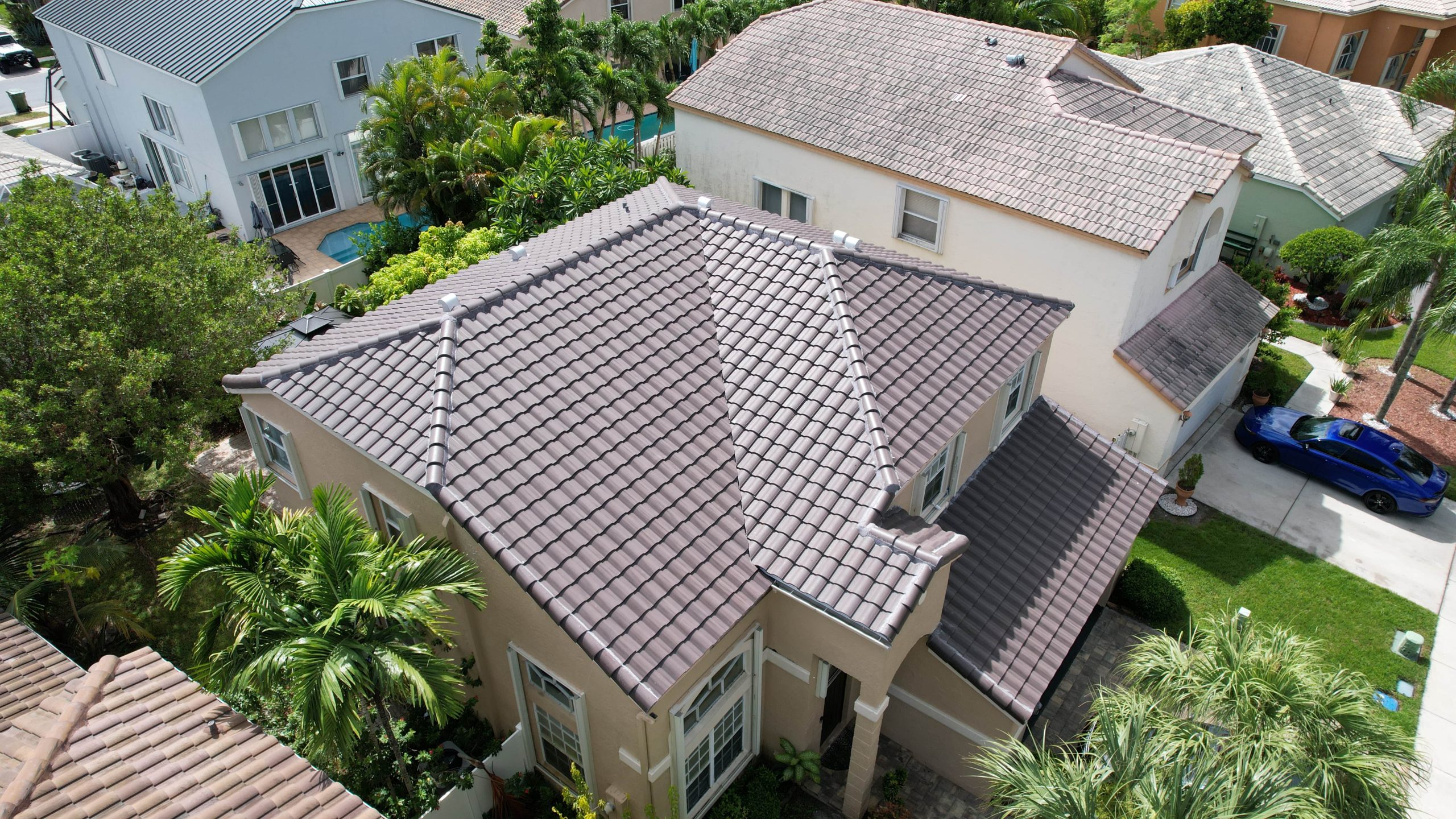
Solar is appealing for a lot of reasons, and many of the homeowners most interested in it have lived in their homes for years. That often means the roof is no longer new. An older roof and a new solar array can absolutely work together, but the combination raises a question that deserves a clear answer before any panels go up: is the roof ready to carry an array for the years that array is meant to last? Getting that question answered first is what separates a smooth solar project from one that becomes complicated and expensive a few years down the road.
The reason this matters so much is timing. Solar panels are designed to stay in place for a long time. If an older roof needs repair or replacement after the panels are installed, the array usually has to be removed and reinstalled to allow the roof work, adding labor and cost that careful planning would have avoided. The decision is not about whether an older roof can ever have solar. It is about reviewing the roof honestly first, so the sequencing is right.
This article walks through what homeowners with older roofs should review before adding solar, how to tell the difference between roof age and roof condition, when repairs may be enough, when replacement should be discussed first, and what to ask during a solar consultation. The aim is a clear decision, supported by a combined roof and solar panel review, rather than a rushed assumption in either direction.
Why Older Roofs Need a Closer Look Before Solar
An older roof is not automatically a problem, but it does deserve a closer look than a new one. The reason comes down to how long the panels are expected to stay where they are placed.
Solar Panels May Stay in Place for Years
When an array is installed, it becomes a long term fixture on the roof. That is exactly what a homeowner wants from solar, but it also means the roof underneath is committed to carrying that array for years. If the roof develops a problem during that time, servicing it is more complex with panels in place, because the array in the affected area generally has to be removed and reinstalled. This future complexity is the core reason older roofs deserve review before installation. Looking closely now, while the roof is still accessible and the decision is still open, is far simpler than discovering a roof problem after the panels are up.
Age Alone Is Not the Only Factor
It would be easy to assume that an older roof must be replaced before solar, but that is not how the decision actually works. Age is one input, not a verdict. A roof can age faster than expected because of exposure, original installation quality, or material type, and a roof can also outlast its expected service life when it was well built and well maintained. What matters is the roof’s condition, not just the number of years since it was installed. A careful review looks at prior repairs, material type, storm history, and current wear to form a real picture, rather than defaulting to replacement because the roof is not new. This distinction between age and condition is the heart of an honest older roof and solar conversation.
What Roof History Should Be Reviewed
An older roof has a history, and that history is some of the best evidence about whether it is ready for solar. Reviewing it is a key part of the decision.
Leaks and Previous Repairs
A roof that has leaked repeatedly, or that has been repaired several times in the same areas, is telling a story worth understanding before adding an array. Repeated trouble in a particular spot can indicate an underlying issue that was never fully resolved, and installing panels over that area would make any future correction harder. Repair records, even informal ones, help a contractor understand where the roof has struggled and whether those issues were resolved or merely patched. A history of clean performance points one way, and a history of recurring repairs points another, and both are valuable inputs to the solar decision.
Storm Damage and Inspection Notes
In South Florida, storm history matters. A roof that has been through significant storms may have damage that is not obvious from the ground, and any prior inspection notes or damage documentation help build the picture. Reviewing storm related history before solar, with professional inspection where needed, helps confirm whether the roof came through past events sound or whether it carries damage that should be addressed first. This review is not about assuming the worst. It is about making sure the roof’s actual condition, including any storm legacy, is understood before the array is committed to it.
How Roof Material Affects the Solar Decision
Different roofing materials interact with solar differently, and on an older roof the material is part of the decision about how to proceed.
Tile, Shingle, Metal, and Flat Roof Considerations
Tile, shingle, metal, and flat roofs each have their own characteristics that affect solar installation and future service. Tile roofs involve both the visible tiles and the underlayment beneath, and the surface type affects how mounting is planned. Shingle roofs age in recognizable ways that influence whether installation should wait for replacement. Metal roofs have their own mounting and condition considerations. Flat roof systems behave differently again. A homeowner does not need to master these distinctions, but the review should account for how the specific material affects both the installation and the ease of any later roof service. The material shapes the plan, especially on a roof that already has years behind it.
Underlayment, Flashing, and Penetrations
The parts of the roof that do the actual waterproofing matter most when adding solar. Underlayment condition, the state of flashings, and the integrity around penetrations all affect whether the roof will keep performing once an array is mounted on it. Mounting solar involves attachments and connections that interact with these waterproofing elements, so their condition on an older roof is an important input. A review that considers these hidden system factors, rather than only the visible surface, gives a more accurate read on whether the roof is ready or whether attention is needed first.
When Repairs May Be Enough Before Solar
An older roof does not always need replacement before solar. In many cases, targeted attention is enough to make the roof a sound foundation for an array.
Localized Defects and Newer Roof Sections
When the issues on an older roof are localized, when the problems are confined to specific areas and the rest of the roof remains in good condition, repairs may be all that is needed before solar. A roof that is generally sound but has a few defined trouble spots can often be brought to a solar ready state by addressing those areas. Professional confirmation is the key here, because the judgment about whether a defect is truly localized or a sign of broader wear should come from inspection rather than hope. When repairs are confirmed to be sufficient, solar can proceed on a roof that has been made ready.
Maintenance That Reduces Installation Risk
Sometimes what an older roof needs is maintenance rather than repair, attention to sealing, flashing, drainage, and minor issues that reduce the risk of problems after the array is installed. Addressing these before solar lowers the chance of a leak developing under or near the panels later. This kind of preventive attention is modest compared to the cost of servicing a roof after an array is in place, and it is often part of getting an older but sound roof ready for solar. A good review identifies which maintenance items are worth handling before installation.
When Replacement Should Be Discussed Before Solar
In other cases, replacement is the more practical path, and recognizing those cases protects the homeowner from a difficult situation later.
Widespread Deterioration or Short Remaining Roof Life
When an older roof shows widespread deterioration, or when its remaining service life is short, replacing it before solar usually makes more sense than installing an array on a roof that will soon need major work. Signs that point this way include aging across multiple roof areas, materials near the end of their lifespan, and a pattern of issues rather than isolated defects. In these situations, installing panels first means facing roof replacement with an array in place, which is exactly the costly scenario that planning aims to avoid. A replacement conversation before solar, when the signs point that way, is the more economical choice over the life of both the roof and the array.
Avoiding Panel Removal Later
The practical driver behind replacing a worn roof first is avoiding the need to remove and reinstall panels later. That rework adds labor and complexity, and it is entirely avoidable when the roof condition is addressed before the array goes up. Thinking about the full timeline, not just the installation but the years that follow, is what makes replacing a short lived roof first the sensible decision in these cases. The goal is to install the array once, on a roof that will carry it for its full life, rather than disturbing it for roof work a few years on.
Roof Situation | Likely Path Before Solar | Why |
Sound roof, isolated defects | Repair first, then proceed | Localized issues, strong remaining life |
Sound roof, minor wear | Maintenance, then proceed | Preventive attention lowers later risk |
Mixed condition, uncertain life | Proceed with monitoring after review | Professional judgment on a case by case basis |
Widespread wear, short remaining life | Replacement conversation first | Avoids removing the array for roof work later |
What to Ask During a Solar Consultation
For an older roof, the solar consultation should include roof specific questions. The answers reveal whether the recommendation is built on the roof’s real condition.
How Did Roof Condition Affect the Design
A homeowner with an older roof should ask directly how the roof’s condition influenced the solar recommendation. A transparent answer explains what the roof review found, how it shaped the layout and the sequencing, and why the recommended path, whether repair, replacement, or proceeding, fits the roof. An answer that ignores the roof and focuses only on panel output has skipped the most important part of an older roof project. The quality of this answer is one of the clearest indicators of whether the contractor has actually considered the roof or is treating it as an afterthought.
What Happens If Roof Service Is Needed Later
It is also worth asking what happens if the roof needs service after the array is installed. Understanding how access, maintenance, and any warranty considerations would work in that scenario sets realistic expectations and reveals whether the contractor has thought through the full life of the installation. A contractor who can explain this clearly is one who is planning for the long term rather than only for the installation day. These questions help a homeowner choose a path with open eyes.
A short older roof review checklist helps a homeowner prepare for the conversation:
- Note the approximate age of the roof and its material type.
- List any history of leaks and where repairs were made.
- Gather storm damage records or prior inspection notes.
- Identify any areas that have given trouble more than once.
- Consider how long you plan to keep the home, which affects sequencing.
- Plan to ask how roof condition shaped the solar design.
Telling Roof Age Apart From Roof Condition
The single most useful idea for an older roof owner considering solar is the difference between age and condition. They are related, but they are not the same, and confusing them leads to decisions that are either too cautious or too risky.
Why a Number Does Not Decide the Question
It is tempting to treat roof age as a simple rule, as if a roof past a certain number of years automatically needs replacement before solar. Real roofs do not behave that way. Two roofs of the same age can be in very different condition depending on the quality of the original installation, the material used, how much sun and storm exposure they have taken, and how well they have been maintained. One may have years of sound service left, while the other is already near the end. Using age as the only measure would push a homeowner toward replacing a perfectly good roof or, just as bad, toward trusting a roof that has quietly worn out. The number is a prompt to look closer, not a decision on its own.
What Condition Actually Looks Like
Condition is what an inspection actually finds. It is the state of the underlayment and flashings, the integrity around penetrations, the presence or absence of recurring leaks, the wear visible across the roof planes, and any legacy of storm damage. A roof in good condition shows consistent performance and sound waterproofing components, regardless of its age on paper. A roof in poor condition shows the opposite, even if it is not especially old. When a homeowner shifts the question from how old is the roof to what condition is the roof in, the solar decision becomes far clearer, because it is based on what the roof can actually do rather than on a calendar. This is why a professional review matters so much for older roofs: it measures condition directly instead of guessing from age, and it gives the homeowner a decision grounded in evidence.
How All America Construction Services Helps Older Roof Owners Plan Solar
All America Construction Services works across both roofing and solar, which is exactly the combination an older roof and solar decision calls for. The roof review and the solar plan happen together, so the sequencing question gets a real answer rather than being left for later.
Combined Roof and Solar Review
Because the team evaluates roof condition and solar suitability in the same process, an older roof owner gets a recommendation that accounts for both. The review distinguishes roof age from roof condition, identifies whether repair, maintenance, or replacement should come first, and explains how the roof affects the solar design. For homeowners interested in specific equipment, including Tesla solar panels Broward County residents ask about, that combined review still starts with the roof, because the roof is what carries whatever array is chosen. A roofing perspective is also available through the roofing company in Broward County side of the work when repairs or replacement are part of the plan.
Get Clarity Before Choosing the Solar Path
If you have an older roof and are considering solar, the most valuable step is a combined roof and solar assessment before any design is finalized. Reach out to All America Construction Services to schedule a roof and solar assessment, and use the findings to decide whether to repair, replace, or proceed. That clarity is what lets an older roof and a new array work together for years rather than becoming a problem to untangle later.
Frequently Asked Questions
Can solar panels be installed on an older roof?
Often, yes. An older roof is not automatically a barrier to solar. What matters is the roof’s condition rather than its age alone. A sound older roof, or one made ready with targeted repairs or maintenance, can be a good foundation for an array. The key is reviewing the roof honestly before installation so the sequencing is right and the panels are not placed on a roof that will soon need major work.
Should an older roof be replaced before adding solar panels?
Not always. Replacement makes sense when the roof shows widespread deterioration or has a short remaining service life, because installing panels first would mean removing them later for roof work. But a roof that is generally sound with only localized issues may need just repairs or maintenance. The decision should come from a professional review of condition, not from age alone.
What roof problems should be fixed before solar installation?
Localized defects, recurring leak areas, worn flashings, and issues around penetrations are examples of problems worth addressing before an array goes up. Maintenance items such as sealing and drainage may also be handled first to reduce the risk of problems under the panels later. A review identifies which issues are localized and repairable and which point toward a broader plan.
Does roof material affect solar panel installation?
Yes. Tile, shingle, metal, and flat roofs each have characteristics that affect how panels are mounted and how the roof is serviced afterward. The underlayment, flashings, and penetrations that handle waterproofing also matter, since mounting interacts with them. The material and these hidden elements shape the installation plan, especially on an older roof, which is why the review accounts for them.
Can All America Construction Services inspect my roof before solar?
Yes. The team provides a combined roof and solar review, evaluating roof condition and solar suitability together. That review distinguishes roof age from condition, identifies whether repair, maintenance, or replacement should come first, and explains how the roof affects the solar design, so an older roof owner gets a recommendation built on real conditions.
What happens if my roof needs work after solar panels are installed?
If a roof needs service after an array is installed, the panels in the affected area generally have to be removed and reinstalled to allow the work, which adds labor and complexity. This is exactly why reviewing roof condition before installation matters. During a consultation, it is worth asking how access, maintenance, and warranty considerations would be handled if roof service became necessary later.
How do I schedule a roof and solar assessment?
Contact All America Construction Services to request a combined roof and solar assessment. The review looks at roof condition, history, and material alongside solar suitability, and gives you a clear recommendation on whether to repair, replace, or proceed before any design is finalized. From there, the path forward is a planned decision rather than a guess.