
A roof in Broward County works harder than almost anything else on your property. It takes the daily sun, the heavy summer downpours, the salt-laden breeze that drifts in from the coast, and the wind pressure that arrives every hurricane season. When that roof needs repair or replacement, the company you hire matters just as much as the shingles or panels going on top. The difference between a dependable crew and a risky one is rarely obvious in a sales pitch, and it almost never shows up in the lowest price. It shows up years later, in whether the roof holds through a storm and whether the warranty means anything when you need it. There are many roofing companies in Broward County, and learning to read the signals that separate a trustworthy contractor from a gamble is the most valuable thing a homeowner can do before signing anything.
This guide is not a generic checklist of questions to rattle off. It is a way of thinking about the decision. Every point below connects back to one idea, which is that a serious roofing company leaves a paper trail, a track record, and a communication style that all point in the same direction. When those signals line up, you can move forward with confidence. When they do not, that is usually the warning you needed. As a licensed Florida roofing contractor based in Coral Springs, All America Construction Services works across Broward every week, and the standards described here are the same ones we would want any homeowner to hold a roofing company in Broward County to before hiring it.
Why the Right Roofing Company Matters More in Broward County
Broward sits in a demanding climate for roofing. The county spans the coast at Fort Lauderdale, Pompano Beach, and Hollywood, then reaches inland through Coral Springs, Plantation, and beyond. Homes near the water face salt air that accelerates corrosion on fasteners and flashing, while inland neighborhoods still deal with intense heat, ultraviolet exposure, and the wind-driven rain that defines the wet season. On top of that, the entire county falls under strict Florida building requirements for wind resistance, and a roof that is installed poorly will not perform the way its materials are rated to perform.
All of this raises the stakes on the hiring decision. A roof installed by an unqualified crew can look perfectly fine on the day the last truck pulls away. The problems reveal themselves later, when a tropical system pushes water under a poorly lapped shingle, when an improperly fastened edge lifts in high wind, or when a rushed flashing detail lets moisture creep into the deck. By then the company that did the work may be unreachable, uninsured, or out of business. In a region where storm season returns every year, the roof is not a cosmetic upgrade. It is the primary system protecting everything and everyone inside the home, which is why the choice of contractor deserves real scrutiny.
There is also a practical Broward reality worth naming. After a major storm, out-of-town crews and unlicensed operators flood the area chasing quick work. They knock on doors, promise fast turnarounds, and sometimes ask for large deposits before they have pulled a permit or shown a license. A settled, local company with a verifiable history behaves the opposite way. Understanding the difference protects you not only from a bad roof but from the kind of storm-chaser arrangement that leaves homeowners with unfinished work and no recourse.
How to Confirm a Company Is Licensed and Insured in Florida
Licensing and insurance are the foundation, and they are also the two areas where the difference between a dependable roofer and a risky one is easiest to verify with facts rather than feelings. In Florida, roofing is a regulated trade. Contractors are licensed through the Department of Business and Professional Regulation, usually referred to as the DBPR. A properly licensed roofing contractor holds either a certified license, valid statewide, or a registered license tied to local competency requirements. Either way, the license number is a matter of public record, and you can confirm it yourself.
The verification step is simple and it tells you a great deal. Ask for the company’s license number, then look it up on the state’s MyFloridaLicense portal. You are checking that the license is current, that it is active rather than expired or suspended, and that the name on the license matches the business you are dealing with. A company that hesitates to share its number, or that gives you a number that does not match, has told you something important before the work ever begins. A reputable contractor expects this question and answers it without friction.
Insurance is the second pillar, and it protects you directly. Two coverages matter most. General liability insurance covers damage the crew could cause to your property during the job. Workers compensation covers injuries to the crew while they are on your roof. Without workers comp, an injury on your property can become your financial problem, which is a risk no homeowner should accept to save a few dollars. Ask for a certificate of insurance for both coverages, and do not treat a photocopy as the final word. A careful homeowner confirms the policy is active by contacting the insurer or agent listed on the certificate. The strongest companies make this easy, because carrying proper coverage is part of how they operate rather than a box they scramble to check.
One more note on this point. A low bid from an uninsured or improperly licensed operator is not really a lower price. It is a transfer of risk from the contractor to you. When the number looks too good to be true, the missing cost is usually the insurance, the permitting, or the licensed supervision that a legitimate company builds into its work.
What Manufacturer Certifications Really Tell You
Beyond the legal baseline of licensing and insurance, manufacturer certifications are one of the clearest quality signals in the roofing trade, and they are widely misunderstood. A certification is not marketing. Shingle and metal manufacturers grant certified status only to contractors who meet training, experience, and workmanship standards, and they can revoke it. That gatekeeping is exactly why the credential carries weight. When a manufacturer is willing to attach its name to a contractor, it is vouching for how that contractor installs its products.
Certifications also unlock something practical for you. Many manufacturers offer their strongest system warranties only when a certified contractor installs the roof using approved components together. A standard warranty may cover the shingles alone, while an enhanced warranty backed by certified installation can cover the broader system and the workmanship for a much longer period. That distinction can matter enormously years down the road, so it is worth asking which warranty a company can actually register on your roof, not just which products they carry.
For context, All America Construction Services holds credentials such as Master Shingle Applicator and Shingle Master, and works with established manufacturers including CertainTeed, Englert, and PAC-Clad. The specific names are less important than the pattern they represent. When you evaluate any company, ask which certifications the crew holds, for which products, and what those certifications allow in terms of warranty. Then verify the claim the same way you verify a license. Most manufacturers publish a contractor locator on their website where you can confirm that a company is genuinely certified rather than simply familiar with the brand.
How to Judge Local and Storm Experience
A roofing company can be licensed, insured, and certified and still be the wrong choice for your home if it does not understand Broward conditions. Local and storm experience is harder to verify than a license number, but it is just as revealing once you know what to look for. The goal is to separate a company that has genuinely worked through South Florida storm seasons from one that simply says it has.
Start with recent, local work. Ask for addresses of roofs the company has completed in Broward within the last few years, ideally in neighborhoods near yours. A settled local contractor can point to homes in Coral Springs, Fort Lauderdale, Pompano Beach, or the surrounding communities without hesitation. References from those jobs are more useful than a wall of anonymous online reviews, because you can ask a real homeowner specific questions. Did the crew show up when they said they would? Did the roof hold through the following storm season? Was the site left clean? How did the company handle any issue that came up after the work was done?
Storm experience shows up in the details a company volunteers. An experienced Broward roofer talks naturally about wind uplift, about proper edge and ridge detailing, about underlayment and secondary water barriers, and about the way a roof performs under the pressure a tropical system creates. If your project involves an insurance claim after storm damage, ask how the company documents damage and works with adjusters. This is a legitimate part of roofing in South Florida, and a contractor who handles it professionally, without pressuring you or promising specific outcomes, is showing you real experience. Be cautious of anyone who guarantees that insurance will pay, or who wants to make decisions about your claim for you. An honest company explains the process and lets the facts drive it.
Longevity is its own signal. A company that has operated in the area for years, kept the same name, and maintained a real local address has more at stake in its reputation than a crew that appeared after the last hurricane. All America Construction Services has served South Florida since 2018 from its base in Coral Springs, and that kind of continuity is something you can ask any contractor to demonstrate. A verifiable history in the community is one of the best predictors that a company will still be there if you ever need to call about the warranty.
What a Clear Scope and Warranty Should Spell Out
Once you have narrowed the field, the written documents tell you whether a company is truly organized and accountable. A clear, detailed scope of work is one of the strongest signals of a dependable contractor, and a vague one is one of the clearest warnings. The scope is the contract for what will actually happen on your roof, and it should leave very little to interpretation.
A strong scope names the materials by manufacturer and product line, not just by generic type. It specifies the underlayment, the flashing, the ventilation, and the fasteners. It describes what happens to the existing roof, whether the old material is being removed down to the deck, and how the deck will be inspected and repaired if rot or damage is found. It addresses permitting, which is required for roofing work in Broward, and it is clear that the company will pull the permit under its own license rather than asking you to do it, which is a well-known red flag. It covers cleanup and debris removal, including protection for your landscaping and a plan for magnetic sweeping to collect stray nails. And it spells out payment terms that are reasonable, with a modest deposit rather than a demand for most of the money up front.
Pricing should be presented honestly. No reputable contractor can promise an exact final figure before the deck is opened and inspected, because hidden damage is common on older Broward homes. What a good company does is explain costs as a range and describe clearly what could move the number, so there are no surprises. The same honesty applies to timing. A dependable roofer gives you a realistic window for the work and explains that weather, permitting, and material availability can shift a schedule, rather than promising a specific completion date it cannot control.
Warranties deserve close reading because there are two of them and they are not the same. The manufacturer warranty covers the roofing materials themselves. The workmanship warranty covers the quality of the installation, which is the part the company itself stands behind. A roof can fail because of a defective product or because of a poor installation, and you want protection against both. Ask how long each warranty lasts, what each one covers and excludes, and what would void it. Then confirm you will receive both in writing. A company that offers a strong workmanship warranty is putting its own money behind its craftsmanship, and that willingness tells you how confident it is in the work.
A Quick Reference for Reading the Signals
The table below pulls the core checks together, showing not just what to look at but why each item matters in Broward specifically and how you can verify it for yourself. Use it as a way to compare any two companies on the same terms.
What to Check | Why It Matters in Broward | How to Verify It |
Florida DBPR license | Roofing is regulated statewide, and storm seasons draw unlicensed operators into the area | Search the license number on the state MyFloridaLicense portal and confirm it is active |
Liability and workers comp insurance | Protects your property and shields you from liability for on-site injuries | Request certificates for both and confirm the policies are active with the insurer |
Manufacturer certifications | Signal vetted workmanship and can unlock stronger system warranties | Ask which certifications the crew holds and check the manufacturer contractor locator |
Local and storm track record | Broward conditions demand real experience with wind, salt air, and heavy rain | Ask for recent local addresses and call references about post-storm performance |
Written scope of work | Prevents surprises and confirms the company pulls the permit and handles cleanup | Get the full scope in writing and read what is included and excluded before signing |
Manufacturer and workmanship warranties | Covers both material defects and installation quality over time | Ask the length and terms of each and confirm you receive both in writing |
How Communication Signals a Dependable Contractor
The final signal is the one people tend to overlook, and it is often the most telling. How a company communicates before you hire it is a preview of how it will treat you during the project and after. A dependable contractor is responsive, specific, and patient with your questions. A risky one is evasive, vague, or in a hurry to get your signature.
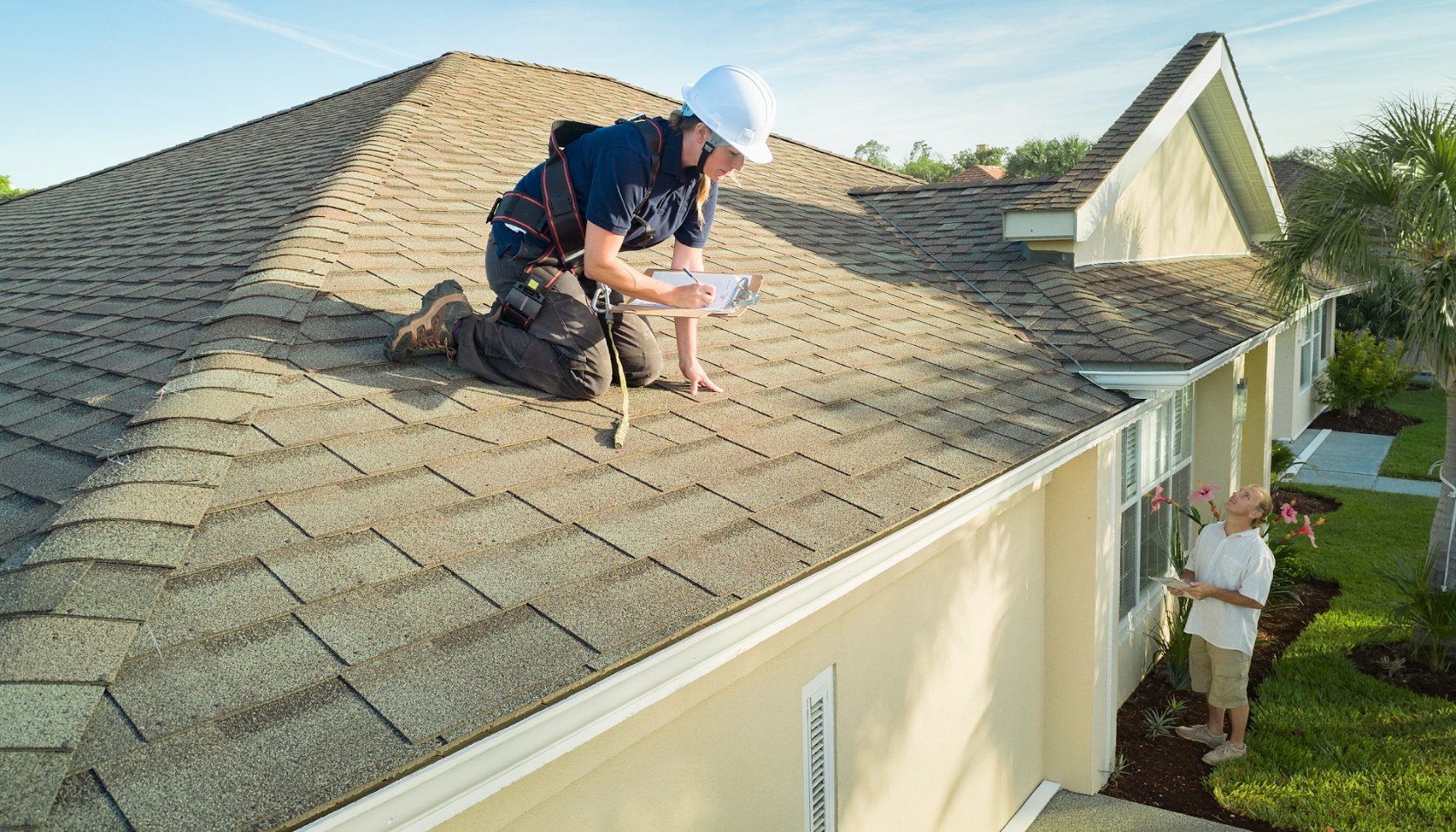
Pay attention to the estimate itself. Did someone actually inspect the roof, including the attic or interior where relevant, or did the quote arrive after a quick glance from the driveway? A thorough inspection produces a thorough estimate, and it shows that the company wants to understand the real condition of your roof before committing to a plan. Notice how questions are answered. A trustworthy contractor explains the reasoning behind a recommendation and is comfortable saying when a repair will do rather than pushing a full replacement you may not need.
Watch for pressure and for promises that are too clean. High-pressure tactics, deadlines that expire today, and guarantees about insurance payouts or exact costs are all signs to slow down. Legitimate companies are confident enough to give you time to verify their license, check their references, and read the scope. They also put things in writing without being asked, provide a clear point of contact, and follow up when they say they will. That consistency between what a company says and what it does is the through line connecting every signal in this guide. When the license checks out, the insurance is real, the certifications are verifiable, the track record is local, the scope is detailed, and the communication is straight, you are almost certainly looking at a company you can trust with your roof.
Before You Sign, Confirm You Have These
Once you are close to a decision, a short final review keeps you from overlooking anything under the pressure of storm season. Before you commit to any company, make sure you have gathered the following.
• The company’s Florida license number, verified as active on the state portal
• Current certificates of general liability and workers compensation insurance
• The specific manufacturer certifications the crew holds, confirmed with the manufacturer
• A written scope that names materials, underlayment, permitting, and cleanup
• Both the manufacturer warranty and the workmanship warranty in writing
• A named point of contact and a realistic window for completing the work
If a company gives you all six without friction, it is behaving the way a dependable Broward roofer behaves. If it stalls or dodges on any of them, treat that as the signal it is. The point of this whole exercise is not to make hiring harder. It is to let the evidence, rather than the sales pitch, guide a decision you will live with for many years.
If you are weighing your options among roofing companies across Broward County, All America Construction Services is happy to help you make an informed choice. As a licensed Florida roofing contractor based in Coral Springs, we welcome the same scrutiny described in this guide, and we are glad to walk you through our license, insurance, certifications, and warranties before you commit to anything. To schedule a roof inspection or request an honest, no-pressure estimate, call us at (954) 225-6087 or email customerservice@allamericacs.com. We will help you understand the condition of your roof and the choices in front of you, so you can move forward with confidence this storm season.
Frequently Asked Questions
How do I verify that a roofing company is licensed in Florida?
Ask the company for its license number, then look it up on the state’s MyFloridaLicense portal maintained by the Department of Business and Professional Regulation. Confirm the license is active, not expired or suspended, and that the name matches the business you are dealing with. A reputable contractor shares this information without hesitation.
Why does workers compensation insurance matter when hiring a roofer?
Workers compensation covers injuries to the crew while they work on your roof. Without it, an injury on your property could become your financial responsibility. Always ask for a certificate of insurance for both general liability and workers compensation, and confirm the policies are active with the insurer before work begins.
What do manufacturer certifications actually tell me about a roofing company?
Manufacturers grant certified status only to contractors who meet training and workmanship standards, so a certification signals vetted quality. It can also unlock stronger, longer system warranties that are only available when a certified contractor installs the roof. Ask which certifications the crew holds and verify them on the manufacturer’s contractor locator.
Should a Broward roofing company give me an exact price and completion date up front?
No honest contractor can promise an exact final price before the roof deck is opened and inspected, because hidden damage is common on older homes. A dependable company explains costs as a range, describes what could change the number, and gives a realistic timing window while noting that weather and permitting can shift a schedule.
What is the difference between a manufacturer warranty and a workmanship warranty?
The manufacturer warranty covers defects in the roofing materials themselves, while the workmanship warranty covers the quality of the installation, which the contractor stands behind directly. A roof can fail from either a product defect or a poor installation, so you want both. Confirm the length and terms of each and get them in writing.
Why should I be cautious of roofers who appear right after a storm?
After major storms, out-of-town crews and unlicensed operators often flood Broward promising fast work and asking for large deposits before pulling permits. A settled local company with a verifiable license, insurance, and address behaves differently. Verifying credentials and asking for recent local references protects you from storm-chaser arrangements that can leave work unfinished.
How can I tell if a roofing company communicates in a trustworthy way?
A dependable contractor inspects the roof thoroughly, explains the reasoning behind its recommendation, answers questions patiently, and puts details in writing without being asked. Be cautious of high-pressure tactics, expiring deadlines, and guarantees about insurance payouts. Consistency between what a company says and what it does is the clearest sign you can trust it with your roof.