

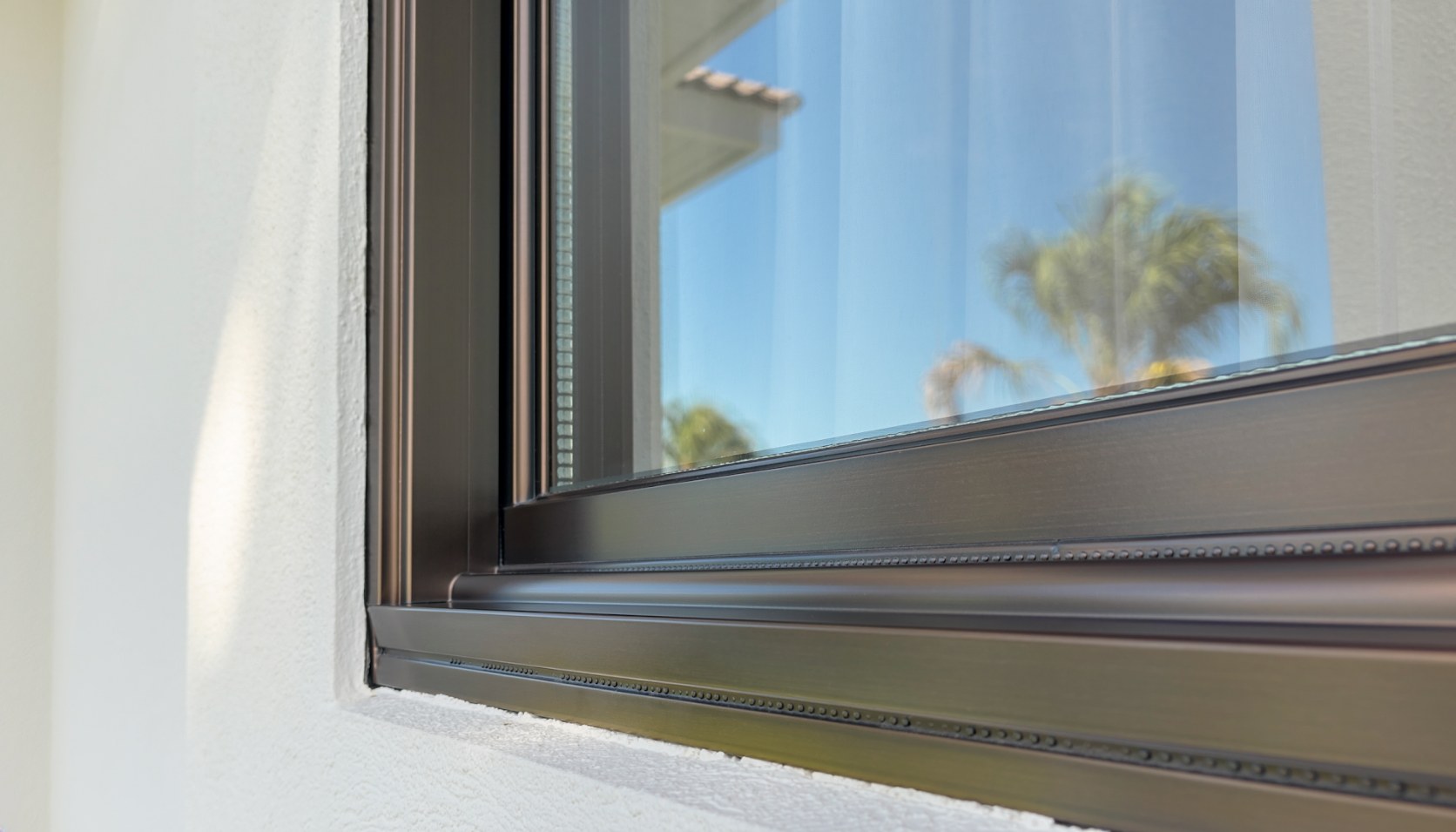
When a hurricane approaches South Florida, the glass in your home becomes the difference between a sealed, pressurized shelter and a house that fails from the inside out. Impact windows are marketed heavily across the region, and on a showroom floor almost all of them look strong, clear, and reassuring. The hard truth is that appearance tells you very little about how a window will behave when a major storm drives a piece of flying debris into it at highway speed. Homeowners who begin their search by looking for the best impact windows for hurricanes West Palm Beach County has to offer soon discover that the real question is not which brand looks the nicest in a brochure, but how to judge which products and installations are genuinely hurricane ready.
This guide is written for West Palm Beach County homeowners who want to make that judgment with confidence rather than trusting a sales pitch. It walks through the signals that separate a truly storm-rated window from one that only looks the part, including product approvals, design pressure ratings, laminated glass construction, frame quality, and the installation details that ultimately decide real-world performance. It also explains why West Palm Beach sits in a different regulatory and wind environment than Miami-Dade, and why that distinction matters when you compare quotes. The goal is simple. By the end, you should be able to read a proposal, ask sharper questions, and recognize the difference between a window that will hold and one that only looks tough.
What Makes an Impact Window Genuinely Hurricane Ready
The phrase impact window gets used loosely, and that looseness is exactly where homeowners get misled. A genuinely hurricane-ready window is not a single strong pane of glass. It is an engineered assembly in which the glass, the interlayer bonded inside that glass, the frame, and the way the whole unit is anchored to the wall all work together under extreme pressure and impact. Take away any one of those elements and the rating that made the window trustworthy no longer applies. That is why judging hurricane readiness means looking at the entire system, not just the part you can see and touch in a showroom.
A Window Is a System, Not Just Glass
The visible glass is only one piece of the puzzle. During a storm, a window has to survive two separate threats. First, it must resist a physical impact from wind-borne debris without the opening being breached. Second, it must handle the massive, repeated pressure cycles as wind pushes and pulls against the wall for hours. A window can pass the impact test and still fail the pressure cycling test if the frame flexes or the anchors pull loose. Genuine hurricane readiness means the product was tested and approved as a complete unit, then installed in a way that preserves that tested performance. When a company talks only about the glass and never about the frame or the anchoring, that is a signal to slow down and ask more.
Certification Is the Baseline, Not the Finish Line
Every legitimate impact window sold in South Florida carries a formal product approval that documents how it was tested and what conditions it is rated for. That approval is the baseline. It tells you the product itself can perform to a stated level. What it does not guarantee is that the specific window on your wall will perform that way, because performance in the real world depends on the model chosen, the size of the opening, the exposure of that wall, and the quality of the installation. A truly hurricane-ready outcome is the combination of a properly approved product and a correct installation. Judging readiness means checking both, and never assuming that a certification sticker alone settles the question.
How West Palm Beach Wind Zones Differ From Miami-Dade
One of the most common mistakes West Palm Beach homeowners make is assuming that all of South Florida operates under identical window rules. It does not, and understanding the difference changes how you compare products. Miami-Dade County and Broward County sit inside the High Velocity Hurricane Zone, often shortened to HVHZ. That zone carries the strictest testing and approval requirements in the state. Much of West Palm Beach County sits just outside the formal HVHZ boundary, which means the approval pathway and some of the design assumptions are different, even though the storm risk is very real.
Inside the Wind-Borne Debris Region
Being outside the HVHZ does not mean West Palm Beach is a low-risk area. The county falls within what the building code calls the wind-borne debris region, where impact-rated protection is expected for openings because flying debris is a genuine threat during a hurricane. The practical takeaway is that you still need true impact windows, not ordinary glass, but the products approved for your home may follow a slightly different approval route than a Miami-Dade home would use. A knowledgeable local contractor can explain which approvals apply to your specific address rather than assuming one blanket standard covers the entire region.
Design Wind Speeds Vary Across the County
Wind load requirements are driven by a design wind speed that engineers assign based on location, and that number is not uniform across West Palm Beach County. A home near the coast in a place like Palm Beach or Jupiter faces higher design wind speeds and greater exposure than a home several miles inland near Wellington or Royal Palm Beach. Coastal homes also contend with more severe exposure categories because there is less surrounding development to slow the wind. This is why a product that is more than adequate for an inland home may be underspecified for an oceanfront one. Judging readiness in West Palm Beach means matching the window to your actual location and exposure, not to a countywide average.
Why the Miami-Dade Comparison Matters
Because Miami-Dade sits fully inside the HVHZ, its products are often tested to the most demanding criteria in Florida. Some homeowners assume that means any Miami-Dade approved window is automatically the right pick for West Palm Beach, and while such products are usually strong performers, the reverse assumption is the dangerous one. A window approved only for a lower wind zone should not be treated as equal to an HVHZ-rated unit simply because both are labeled impact resistant. The lesson is to look past the marketing label and confirm the actual approval and rating, then compare that rating against the wind load your specific home requires.
How to Read Product Approvals and Design Pressure Ratings
Once you understand that the label impact resistant is not enough, the next skill is learning to read the documents that actually prove performance. Two things matter most here. The product approval, which confirms the window was tested and legally accepted for use, and the design pressure rating, which tells you how much wind load the unit can withstand. A reputable contractor will provide both in writing and will walk you through what they mean for your home rather than glossing over them.
Florida Product Approval and Miami-Dade NOA
In West Palm Beach County, impact windows are typically documented through a Florida Product Approval, identified by an FL number that you can look up in the state approval system. In the HVHZ counties, products often carry a Miami-Dade Notice of Acceptance, commonly called an NOA. Both documents describe how the product was tested, what sizes and configurations were approved, and what installation methods keep the approval valid. A strong contractor hands you these numbers without being pushed. If a company cannot or will not produce the approval documentation for the exact product it is quoting, treat that as a serious warning sign.
Design Pressure and What It Really Measures
Design pressure, usually written as DP, is a rating that expresses how much positive and negative wind pressure a window can handle before failing. A higher DP number means the unit can resist stronger wind loads pressing in and pulling out. The critical point is that DP must be matched to your home. The right rating depends on your wind zone, the height and location of the opening, and the exposure of that wall. A window with a modest DP rating might be fine on a sheltered inland wall and dangerously underspecified on an exposed coastal elevation. When someone quotes a single window for every opening in a house without discussing exposure, that is a shortcut that can leave your most vulnerable walls underprotected.
Large Missile Impact Testing
Impact rating and design pressure are related but not the same. The impact rating confirms the window survived a debris strike, typically a large missile test in which a heavy object is fired at the glass, followed by pressure cycling to simulate sustained storm winds. For a home in a wind-borne debris region like West Palm Beach, large missile impact performance at the openings that face the greatest exposure is what you want to confirm. Ask which test standard the product met and whether it applies to the specific configuration being installed on your home, because approvals are tied to particular sizes and framing details.
What Quality Impact Glass Construction Includes
Behind every genuine impact window is a laminated glass build that is engineered to stay in one piece after it cracks. Ordinary tempered glass shatters into loose pieces and leaves the opening exposed. Laminated impact glass is designed so that even when the outer surface breaks, the pane remains bonded to a tough inner layer and continues to seal the opening against wind and water. Understanding what goes into that construction helps you tell a serious product from a cosmetic one.
The Interlayer Is the Heart of the Window
The single most important element inside impact glass is the interlayer, a clear plastic membrane sandwiched between two layers of glass and bonded under heat and pressure. When debris strikes the window, the glass may fracture, but the interlayer holds the fragments together and keeps the barrier intact. Interlayers vary in material and thickness, and those differences change performance. A thicker or stiffer interlayer generally offers stronger resistance to being penetrated and better rigidity under pressure. When you compare products, the interlayer specification is worth asking about directly, because two windows that look identical can behave very differently based on what is bonded inside them.
Frame Material and Reinforcement
The frame holds the glass and transfers storm loads into the wall, so frame quality is just as important as glass quality. Aluminum frames are common in South Florida because they are strong and hold up in the coastal climate, and quality units use reinforced corners and robust hardware that resist twisting under pressure. Vinyl frames are also used and can perform well when properly engineered, though the reinforcement and welding quality matter a great deal. Whatever the material, look for evidence of solid construction at the corners and locking points, since those are the areas that take the most stress during a storm. A flimsy frame can undermine even excellent glass.
Insulated Impact Glass and Energy Performance
Many West Palm Beach homeowners want protection and lower cooling costs, and quality impact windows can deliver both when the glass package is built for it. Insulated impact units combine laminated impact glass with an additional sealed pane and a low-emissivity coating that reflects heat away from the interior. That combination can improve comfort and reduce the load on your air conditioning during the long South Florida cooling season. If energy performance matters to you, it is worth exploring energy-efficient hurricane impact windows in West Palm Beach County with a contractor who can match the glass package to both your storm exposure and your comfort goals, since the right specification balances protection and efficiency rather than treating them as separate choices.
When you evaluate the glass package on any quote, a few construction details separate a serious impact window from a lookalike. Use the checklist below as a quick reference while you compare proposals.
• Laminated glass with a documented interlayer type and thickness, not simply the word impact on the label.
• A published design pressure rating that matches the exposure of the specific opening it will fill.
• A frame built for South Florida with reinforced corners, quality hardware, and corrosion-resistant materials.
• A verifiable Florida Product Approval or Miami-Dade NOA number for the exact configuration being quoted.
• An optional insulated, low-emissivity glass package if energy efficiency and comfort are priorities.
• A written warranty that clearly covers both the glass and the frame, with terms you can actually read.
Why Installation Quality Decides Real Performance
Here is the part of the story that sales presentations often skip. Even a top-rated impact window will underperform, and may fail outright, if it is installed poorly. The product approval that makes a window trustworthy is tied to specific installation methods, including how the unit is anchored and sealed. When those methods are ignored or rushed, the tested performance simply does not carry over to your wall. This is why two homes with the same window model can experience very different outcomes in the same storm. Installation is not a minor step at the end. It is where real-world hurricane readiness is won or lost.
Bucks and Substrate Preparation
An impact window has to be anchored into sound structure. In many South Florida homes that means installing into a properly prepared opening, often using a buck, which is the framing material that lines the opening and gives the window something solid to fasten into. If a buck is rotted, undersized, or poorly secured, the strongest window in the world has nothing dependable to hold onto. A careful contractor inspects and prepares the opening before setting the window, and will tell you if the substrate needs repair first. A crew that skips that inspection to save time is gambling with the part of the job that matters most.
Anchoring and Embedment
The anchors that fasten a window to the structure must be the correct type, spacing, and embedment depth called for in the product approval. Too few anchors, the wrong fasteners, or insufficient depth into the structure can let a window pull free under the negative pressure a hurricane generates, even if the glass itself never breaks. This is one of the most common and most dangerous installation shortcuts, because it is hidden once the trim goes on. A quality installer follows the approved anchoring schedule precisely and can explain how the window is being secured. Ask the question, because the answer reveals a lot about how the crew works.
Sealing and Water Management
Wind-driven rain is relentless during a hurricane, and a window that stops debris but lets water pour into the wall has only solved half the problem. Proper installation includes correct flashing and sealing so water is directed away from the structure rather than into it. Gaps, missed sealant, or improper flashing can lead to leaks, hidden moisture, and long-term damage that appears months after the storm. Judging installation quality means paying attention to how the crew handles waterproofing details, not just how the finished window looks from the inside. Clean, complete sealing is a mark of a contractor who takes the whole assembly seriously.
Permits and Inspections
A properly permitted installation includes an inspection by the local building department, which is an independent check that the work meets code. Some homeowners are tempted by an unpermitted job that promises to be faster or cheaper, but that shortcut removes the safeguard that confirms your windows were installed correctly, and it can create serious problems with insurance and future home sales. A reputable contractor pulls the required permits and welcomes the inspection. If a company suggests skipping permits, that alone should end the conversation. Timelines for permitting and inspection vary by municipality and season, and an honest contractor explains this as a range rather than a fixed promise.
How to Compare Options Without Being Misled
With the technical pieces in place, the final skill is putting them together to compare real quotes without being swayed by clever marketing. Every impact window company will tell you its product is strong and storm ready. Your job is to look past the adjectives and check the specifics. The most useful approach is to compare each option against a short set of readiness signals, then watch for the warning signs that tend to accompany weaker products or rushed installers. The table below organizes the signals that matter most so you can evaluate proposals side by side.
Readiness Signal | What a Strong Product or Installer Shows | Warning Sign |
Product approval | A specific FL approval or Miami-Dade NOA number provided in writing for the exact unit | Vague claims of impact rated with no document you can verify |
Design pressure match | DP ratings selected per opening based on your wind zone and exposure | One rating applied to every window with no exposure discussion |
Glass construction | Laminated build with a stated interlayer type and thickness | Only the word impact on the label and no build details |
Installation method | Approved anchoring, prepared bucks, and full sealing explained clearly | No mention of anchoring or waterproofing, and reluctance to discuss it |
Permits and inspection | Permits pulled and municipal inspection welcomed | An offer to skip permits to save time or money |
A helpful habit when comparing quotes is to ask each company the same handful of pointed questions and see how directly they answer. Which approval number applies to the product you are quoting for my home. What design pressure are you specifying for my most exposed openings and why. How will each window be anchored and sealed. Will you pull permits and schedule the inspection. The best companies answer these plainly and put the details in writing. A company that gets vague, deflects, or leans on brand names instead of specifications is telling you something important about how it works. In West Palm Beach, where exposure varies from inland neighborhoods to coastal streets, that willingness to be specific is one of the clearest markers of a contractor you can trust.
It also helps to think about the long horizon rather than the day of installation. Impact windows are a long-term investment in your home, and their value shows up over many storm seasons and many years of energy bills. A slightly stronger specification on your most exposed walls, a better glass package for comfort, and a meticulous installation all pay off quietly over time. Judging hurricane readiness is really about protecting that long-term value, not just passing an inspection. When you weigh options through that lens, the cheapest quote rarely looks like the smartest one, and the contractor who took the time to match the product to your home usually stands out.
If you are weighing impact window options for a home in West Palm Beach County and want a clear, honest assessment of what genuine hurricane readiness looks like for your specific property, All America Construction Services is ready to help. Our team can review your openings, explain the product approvals and design pressures that fit your exposure, and walk you through the installation details that protect real-world performance. Call us at (954) 225-6087 or email customerservice@allamericacs.com to schedule a consultation or estimate, and let us help you choose windows that are truly built to hold when it matters most.
Frequently Asked Questions
Do West Palm Beach homes need the same impact windows as Miami-Dade homes?
Not necessarily, because West Palm Beach County generally sits outside the High Velocity Hurricane Zone that covers Miami-Dade and Broward, so the approval pathway can differ. West Palm Beach still falls within the wind-borne debris region, which means true impact-rated windows are expected. The right product depends on your specific address, wind zone, and exposure, which a local contractor can confirm for your home.
What is a design pressure rating and why does it matter?
Design pressure, or DP, measures how much wind load a window can withstand pushing in and pulling out before it fails. A higher rating means the window can handle stronger storm pressures. It matters because the correct rating depends on your home’s wind zone and how exposed each opening is, so the ideal DP can differ from one wall to another on the same house.
How can I tell if an impact window is truly hurricane rated?
Ask for the product approval, which is a Florida Product Approval FL number or a Miami-Dade NOA for the exact unit being quoted, and confirm its design pressure and impact rating. A genuine impact window also uses laminated glass with a documented interlayer and a reinforced frame. If a company cannot produce this documentation in writing, treat that as a reason to be cautious.
Why does installation quality matter so much for impact windows?
A window’s tested performance is tied to specific installation methods, including how it is anchored into sound structure and how it is sealed against water. Poor bucking, incorrect anchoring, or missed waterproofing can cause even a top-rated window to leak or pull free during a storm. In practice, a correct installation is what carries the product’s rating over to real-world protection.
Are impact windows also energy efficient?
They can be when the glass package is built for it. Insulated impact units pair laminated impact glass with an additional sealed pane and a low-emissivity coating that reflects heat, which can improve comfort and reduce cooling demand during the long South Florida season. If efficiency is a priority, ask your contractor to match the glass package to both your storm exposure and your comfort goals.
Should impact window installations be permitted and inspected?
Yes, a proper impact window installation should be permitted and inspected by your local building department. The inspection is an independent check that the work meets code, and it protects you with insurance and future home sales. Be wary of any company that suggests skipping permits, since that removes an important safeguard and can create problems later.