

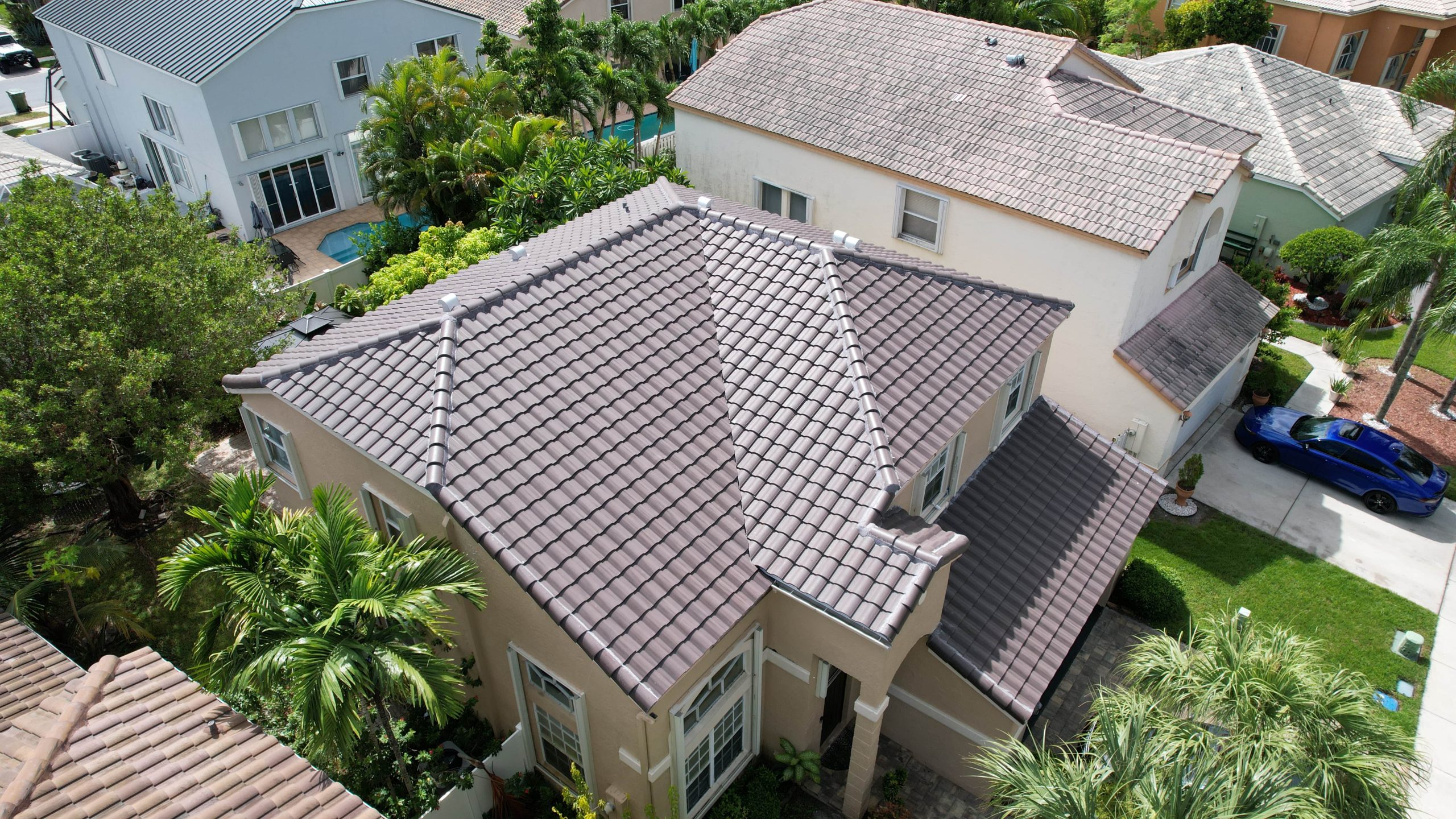
Most solar conversations begin with the panels. How many, what output, how much of the electric bill they might offset. Those are reasonable questions, but they are the wrong place to start, because the panels are the last part of the system to think about, not the first. A solar array sits on a roof and connects to a home’s electrical system, and both of those have to be ready before the panel layout means anything at all. When a project starts with the panels and works backward, the roof and electrical realities tend to surface late, often after a design has been promised, and that is when delays, redesigns, and added scope appear.
The better sequence starts with a readiness review. Before deciding where panels go or how large the system should be, a homeowner benefits from understanding the condition of the roof that will carry the array for many years and the capacity of the electrical system that will tie it all together. This review is not a sales step. It is the planning step that makes the rest of the project predictable, and it is the difference between a solar installation that proceeds cleanly and one that runs into surprises after the contract is signed.
This article explains why roof and electrical readiness should come first, what each review should include at a planning level, how South Florida storm exposure fits into the picture, and what a solar proposal should make clear before a homeowner approves it. If you are considering solar, starting with a readiness review through a contractor who understands both roofing and solar panel installation is the step that protects the whole investment.
Why Solar Installation Should Not Begin With Panels Alone
A solar array is only as sound as the surface it sits on and the electrical system it feeds. Treating the panels as the starting point skips over the two things that actually determine whether the installation will work well and last.
The Roof and Electrical System Both Shape the Design
The roof determines where panels can go, how they are mounted, and whether the surface can support them for the long term. Its slope, layout, available space, shading, and condition all shape the design before a single panel is placed. The electrical system determines how the array connects, where equipment is located, and whether the existing service can accommodate the addition. A design drawn without accounting for both of these is a design built on assumptions. When the roof and electrical realities are understood first, the layout and equipment plan can be built around them, which is how a design becomes something that can actually be installed as drawn.
A Readiness Review Helps Avoid Surprises
The purpose of a readiness review is to replace assumptions with information before commitments are made. A review that confirms roof condition, usable layout, and electrical capacity allows the proposal to be accurate, the quote to reflect real conditions, and the sequencing to be planned correctly. Without it, a project can proceed on optimistic assumptions and then stall when the roof turns out to need attention or the electrical system needs work to support the array. The review front loads the questions so the answers arrive while they are still easy to act on, rather than after the design has been set.
What Roof Readiness Should Include
Because solar panels are designed to stay in place for many years, the roof beneath them needs to be ready for that long commitment. A roof readiness review looks at both condition and configuration.
Roof Condition and Remaining Service Life
The first question is whether the roof is in condition to carry an array for years to come. This means reviewing leak history, the roofing material and its typical behavior, any storm damage, and the general age and wear of the system. A roof that is near the end of its service life is not a good foundation for panels, because removing and reinstalling an array later to service the roof adds significant complexity and cost. Understanding the roof’s remaining service life before installation lets a homeowner decide whether repairs or replacement should happen first, while it is still simple to do. This is a roof condition question as much as a solar question, and it often benefits from a roofing perspective alongside the solar plan.
Layout, Shade, and Mounting Areas
Beyond condition, the review considers where panels can actually go. Usable roof space, the orientation of different roof planes, obstructions such as vents and skylights, and shading from trees or nearby structures all affect the layout. A roof with ample clear space and good exposure offers more design flexibility than one broken up by obstructions or shaded for part of the day. Mapping the usable mounting areas during the readiness review means the eventual design reflects what the roof can support rather than an idealized layout that has to be revised once reality is considered.
What Electrical Readiness Should Include at a Planning Level
Solar is an electrical project as much as a roofing one, and the electrical side deserves its own review. This is a planning level conversation, and the detailed work belongs to qualified professionals.
Panel Capacity and Equipment Placement
At a planning level, the review should consider whether the home’s electrical service can accommodate the solar addition and where the associated equipment will be located. A qualified professional should review the service panel, the placement of the inverter, and the routing that connects the array to the system. These are not details a homeowner needs to resolve personally, but they are factors that should be looked at early, because they affect both the design and the scope. Discovering an electrical constraint after the panel layout is finalized is one of the most common causes of solar project delays, and a planning level electrical review is what prevents it.
Battery Storage or Future Upgrades
Homeowners who are considering battery storage, or who may want to add it later, benefit from raising that during the readiness review rather than after installation. Planning for storage or for future upgrades affects equipment placement and system design from the start. There is no need to commit to specific products during the review, but flagging the possibility allows the design to accommodate it, which is far easier than retrofitting later. The point is to let the readiness review capture the homeowner’s longer term intentions so the system is designed with room to grow.
Readiness Factor | Why It Matters | Who Should Review It |
Roof condition and service life | Panels stay in place for years | Roofing and solar contractor |
Layout, shade, and mounting | Determines usable design | Solar design team |
Service panel capacity | Affects whether the array can connect | Qualified electrical professional |
Inverter and equipment placement | Shapes routing and scope | Qualified electrical professional |
Storm exposure and mounting zones | Affects resilience and access | Roofing and solar contractor |
How Storm Exposure Should Influence the Review
In South Florida, no roof project can ignore storms, and solar is no exception. Storm exposure belongs in the readiness review because it affects both how the array should be installed and how it will be serviced afterward.
Roof and Mounting Considerations
Wind, rain, and hurricane season all bear on how and where panels should be mounted. The review should consider how the mounting approach respects the roof’s waterproofing and how the layout accounts for exposure, without overstating what any system can withstand. Mounting that is planned with storm conditions in mind, and that protects the roof’s penetrations and seals, is part of a resilient installation. These are planning considerations rather than guarantees, and the goal is an installation that is designed thoughtfully for the local climate rather than one that treats South Florida like a mild environment.
Post-Storm Inspection and Recovery Expectations
A storm aware plan also considers what happens after severe weather. Homeowners should understand that solar arrays, like roofs, benefit from inspection after major storms, and that maintenance and service support should be part of the long term relationship. Knowing in advance how post storm inspection and any needed recovery would be handled sets realistic expectations and keeps the system performing over time. This is part of treating solar as a long term home system rather than a one time installation.
What the Solar Proposal Should Make Clear
Once the readiness review is complete, the proposal should reflect it. A clear proposal is one a homeowner can understand and evaluate, not a single price with assumptions hidden behind it.
Design Assumptions and System Components
A good proposal states its assumptions and describes its components. System size, panel placement, the wiring path, and the equipment involved should all be clear. When the design is based on the readiness review, the proposal can explain why the layout is what it is, why the equipment is placed where it is, and what conditions the design assumes. This transparency lets the homeowner see that the proposal reflects their actual roof and electrical system rather than a generic template. Where Tesla equipment is part of the conversation, a contractor experienced with Tesla solar panels Broward County homeowners choose can explain how those components fit the design.
Permits, Inspection, Activation, and Owner Responsibilities
The proposal should also make the process clear without making promises it cannot keep. Permitting, inspection, and activation all follow steps that involve local authorities and utilities, and timelines depend on factors outside any contractor’s control. An honest proposal describes the process and the homeowner’s responsibilities within it, rather than guaranteeing a specific activation date. Understanding the sequence in advance helps the homeowner plan and prevents the frustration that comes from expecting a process to move faster than it realistically can.
Mistakes Homeowners Should Avoid Before Solar Approval
A few predictable mistakes turn solar projects into stressful experiences, and all of them trace back to skipping the readiness review.
Approving a Design Before Roof Issues Are Reviewed
The most consequential mistake is approving a solar design before the roof has been properly reviewed. If the roof needs repair or is near the end of its service life, installing panels first means facing the harder problem of servicing the roof later with the array in place. Reviewing roof condition before approval allows the sequencing to be correct, with any needed roof work done first. This is not about assuming every roof needs work. It is about confirming the roof is ready before committing the array to it.
Ignoring Electrical Constraints Until Late
The second common mistake is treating the electrical side as an afterthought. When electrical capacity or equipment placement is not reviewed until installation is underway, a constraint discovered late can force redesigns and delays. Raising the electrical review early, at the planning stage, surfaces these constraints while they can still shape the design cleanly. The homeowner does not need to resolve the technical details, but allowing a qualified professional to review them early is what keeps the project on track.
A practical readiness review covers four areas, and a homeowner can keep them in mind when planning solar:
- Roof: condition, leak history, material, remaining service life, and whether repairs should come first.
- Electrical: service panel capacity, inverter and equipment placement, reviewed by a qualified professional.
- Layout: usable roof space, orientation, obstructions, and shading.
- Storm: mounting approach, exposure, and post storm inspection expectations.
One caution belongs alongside any solar discussion. Electrical work must be reviewed and performed by qualified professionals. The readiness review identifies what needs attention at a planning level, but the detailed electrical assessment and any work it requires are not do it yourself tasks and should always be left to licensed professionals who can evaluate the system safely.
How a Readiness Review Saves Time and Effort Later
A readiness review can feel like an extra step at the start, but it is the step that removes the most expensive problems from the back end of a solar project. The cost of reviewing conditions early is small. The cost of discovering them after installation is not.
Avoiding Panel Removal and Rework
The clearest example is the roof itself. If panels are installed on a roof that later needs repair or replacement, the array often has to be removed and reinstalled to allow the roof work, which adds significant labor and complexity that a homeowner pays for twice. A readiness review that confirms roof condition first lets any needed roof work happen before the panels go up, so the array is installed once on a roof that is ready to carry it for years. The same logic applies to equipment placement and routing. Getting these right the first time avoids the disruptive rework that comes from discovering a constraint after the system is already in place.
Fewer Redesigns and Change Orders
Readiness also reduces the redesigns and change orders that frustrate solar projects. When a design is drawn on assumptions about the roof and electrical system, and those assumptions turn out to be wrong, the design has to change, often after the homeowner thought the planning was finished. Each change can affect the layout, the equipment, the timeline, and the scope. A design built on a completed readiness review starts from real conditions, so it holds up as the project moves forward. Fewer surprises mean fewer changes, and fewer changes mean a project that finishes closer to what was planned and approved. For a homeowner, that predictability is one of the most valuable outcomes the readiness review provides. It turns solar from a project full of open questions into one with a clear scope, a sound roof, a reviewed electrical plan, and a design that reflects the actual home rather than a hopeful estimate.
How All America Construction Services Helps Coordinate Readiness
All America Construction Services approaches solar as a system that involves the roof, the electrical connection, and the panels together, which is why a readiness review comes first. Coordinating these elements is exactly where many solar projects struggle, and handling them together is what keeps the project clear.
Solar, Roofing, and Installation Support
Because the team works across roofing and solar panel installation, it can evaluate roof condition and solar layout in the same conversation and bring in the appropriate electrical review at a planning level. That combined perspective means the roof readiness and the solar design are considered together rather than in isolation, reducing the gaps where surprises usually appear. For homeowners, this coordination simplifies a project that otherwise involves several separate considerations.
Schedule a Full Readiness Assessment
If you are considering solar, the most useful first step is a readiness assessment that looks at the roof, the layout, the electrical picture at a planning level, and your storm exposure before any design is finalized. Reach out to All America Construction Services to schedule a solar readiness assessment, and use the findings to approve a design built on real conditions rather than assumptions. Starting here is what gives a solar project the clear path that the panels alone never could.
Frequently Asked Questions
What is a roof and electrical readiness review for solar panels?
It is a planning step that confirms the roof is in condition to carry an array for years and that the home’s electrical system can accommodate the addition, before any design is finalized. The review looks at roof condition, usable layout, shading, electrical capacity at a planning level, and storm exposure. It replaces assumptions with information so the solar proposal reflects your actual home.
Should my roof be inspected before solar installation?
Yes. Because panels are designed to stay in place for many years, the roof beneath them should be ready for that commitment. Inspecting roof condition and remaining service life before installation lets you decide whether any repairs or replacement should happen first, while it is still simple to do. Installing panels on a roof that soon needs work makes the later roof service much more complex.
Can electrical issues delay a solar panel project?
They can. When electrical capacity or equipment placement is not reviewed until installation is underway, a constraint discovered late can force redesigns and delays. Raising the electrical review early, at a planning level and with a qualified professional, surfaces these factors while they can still shape the design cleanly, which helps keep the project on schedule.
Does solar panel installation require equipment placement planning?
Yes. The inverter, the connection to the service panel, and the wiring path all need to be planned, and their placement affects both the design and the scope. A qualified professional should review these during planning. Considering equipment placement early, including any plans for battery storage, prevents the redesigns that occur when placement is treated as an afterthought.
How does storm exposure affect solar installation?
Storm exposure influences how and where panels should be mounted and how the array will be serviced after severe weather. A storm aware plan respects the roof’s waterproofing, accounts for exposure in the layout without overstating what any system can withstand, and sets expectations for post storm inspection. It treats solar as a long term system designed for the local climate.
Does All America Construction Services handle solar assessments?
Yes. The team evaluates roof condition and solar layout together and brings in the appropriate electrical review at a planning level, so the readiness picture is complete before a design is finalized. This combined roofing and solar perspective is designed to reduce the gaps where solar projects usually run into surprises.
How do I request a solar readiness review?
Contact All America Construction Services to schedule a readiness assessment. The review looks at the roof, the usable layout, the electrical picture at a planning level, and your storm exposure, and gives you the information to approve a solar design built on real conditions. From there, the project proceeds on a clear and predictable path.