

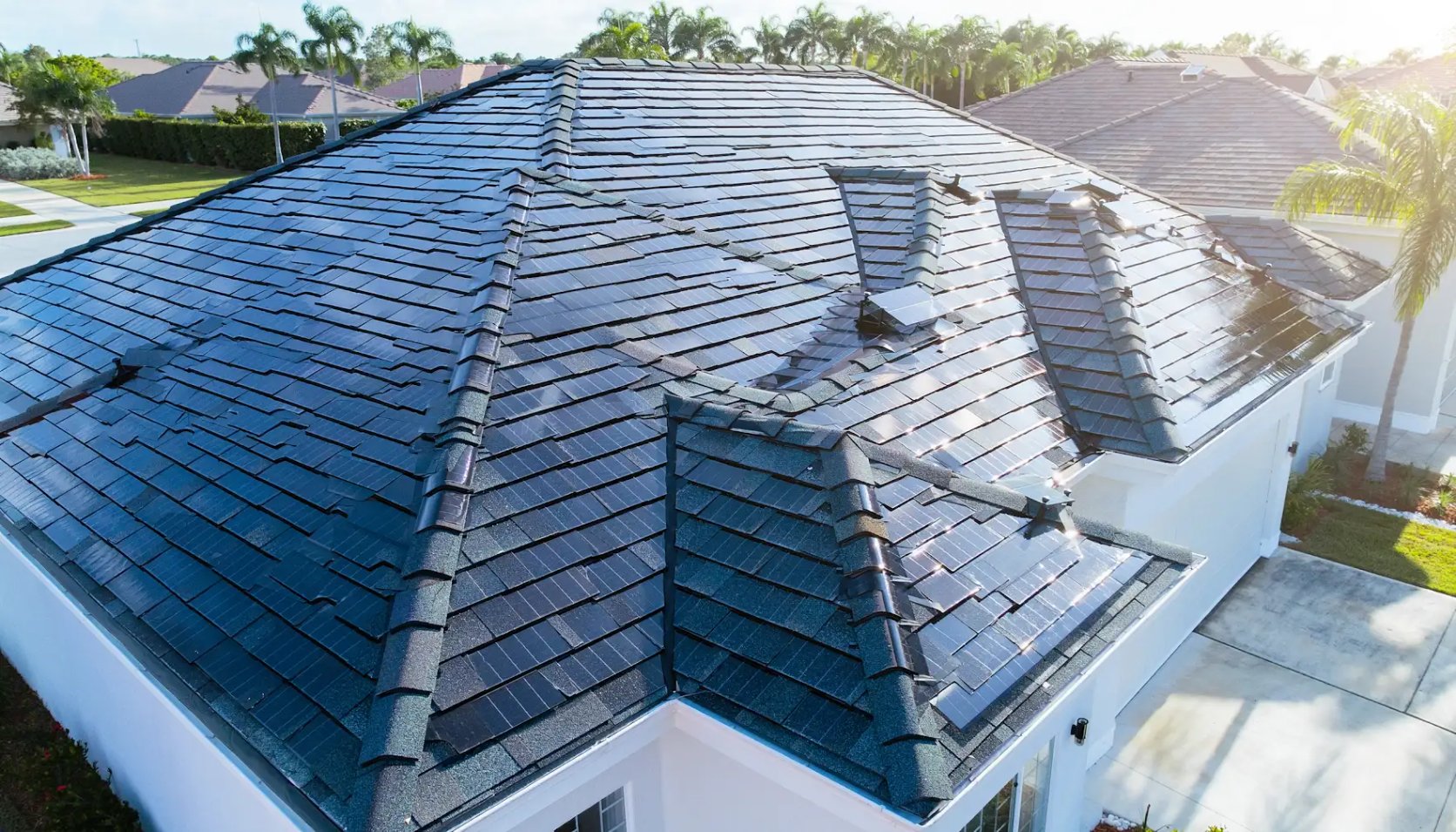
Quick Answer: A Tesla Solar Roof replaces your roof and adds solar in one project, so plan it as both. Confirm the condition of the current roof, the shape and shade of each roof plane, which sections get solar tiles, your electrical panel and battery plans, and the wind, permit and HOA steps. If you are still weighing it against the Tesla solar panels Broward County installers mount on a conventional roof, settle that question first.
A Tesla Solar Roof is not a set of panels bolted on top of shingles. The glass solar tiles and the matching roofing tiles become the roof itself, which means the project carries every decision of a roof replacement and every decision of a solar install at the same time. Homeowners who plan for both sides of that job early tend to have a calmer project, a cleaner design and fewer changes once the crew is on site. If you are just starting to look into Tesla Solar Roof installation for South Florida homes, the planning below will help you ask better questions from the first visit.
At All America Construction Services, we have worked on roofs across Broward, Miami-Dade and Palm Beach counties since 2018, from Coral Springs and Parkland to Fort Lauderdale and West Palm Beach. Our team includes certified Tesla installers, and the projects that go best share one thing. The homeowner knew what the roof needed, what the solar design would cover and which approvals sat ahead before anyone signed a contract.
This guide walks through those planning areas in the order they usually come up. It stays at the planning level on purpose. It will not quote prices, savings or product specifications, because those depend on your home, your design and your utility. What it will do is help you arrive at an inspection with a clear picture of the project you are about to take on.
Why a Solar Roof Is a Roofing Project First
The first planning shift is simple. A solar roof is a new roof before it is anything else. The old roof comes off, the deck is checked and repaired where needed, a new underlayment goes down and the tile system goes on top. Only then does the solar side start producing power. That order means the roof has to be right before the solar design matters at all.
This changes who you should be talking to. A solar company that does not handle roofing has to bring in a roofer, and a roofer who does not handle solar has to bring in an electrician and a solar designer. When one contractor manages the roof, the solar tiles and the electrical work together, there is one plan, one schedule and one team responsible for how the finished roof performs in a South Florida storm.
It also changes when the project makes the most sense. A Solar Roof fits best when your current roof is near the end of its life anyway, or when you are building or doing a major remodel. If your roof still has many good years left, the conversation may lean toward other options. A short roof inspection is the honest way to find out which side of that line your home sits on.
Start With the Condition of the Roof You Have Now
Every solar roof plan begins with the roof that is already there. The U.S. Department of Energy advises homeowners thinking about solar to consider the age of their roof and how long it has until replacement, and that advice matters even more for a solar roof, because the whole roof is being replaced. Knowing the condition of the deck, the framing and the existing layers tells you how much work happens before a single solar tile goes on.
Many South Florida homes have shingle or tile roofs that have been through years of heat, heavy summer rain and storm seasons. Some have been patched in sections. Some have had a second layer added at some point. Each of those details affects the tear-off, the deck repair and the time the crew needs, so it is worth knowing them before you compare designs.
What a Roof Inspection Looks At Before the Design
A licensed contractor will look at the age and type of the current roof covering, signs of past leaks in the attic or on ceilings, soft or damaged decking, the condition of flashing around walls and chimneys, and how water drains off each section. They will also check the framing for anything that needs attention before a new roof system goes on. You do not need to climb a ladder for any of this. From the ground and from inside the home, you can note stains, sagging areas, missing pieces and spots where water has come in, then share that list at the visit.
The inspection results shape the rest of the plan. If the deck needs significant repair, that work becomes part of the scope. If the framing needs reinforcement, that is a conversation to have early, not after the tiles are ordered. A clear written report on the existing roof is the foundation for a solar roof proposal you can trust.
Roof Shape, Pitch and Shade Decide the Solar Layout
Once the roof condition is clear, the next question is how much of the roof can produce power. The Solar Roof is designed to adapt to different roof shapes and angles, but not every plane gets the same sun. A roof with long, open south and west facing planes will have more room for solar tiles than a roof broken up by hips, valleys, dormers and skylights. The design starts with a careful look at each plane, its direction, its pitch and the shade that falls on it through the day.
Shade in South Florida often comes from mature oaks, royal palms, a neighbor’s second story or a nearby building. Shade moves through the seasons, so a plane that looks open at noon in summer may be shaded in the late afternoon in winter. Good designers model this rather than guess. You can help by noting which parts of the roof stay in shade for long stretches and whether any trees will be trimmed or removed before the project.
Active Solar Tiles and Matching Non-Solar Tiles
A Solar Roof uses two kinds of tiles. The active solar tiles produce power and go on the planes with the best sun. The non-solar tiles look the same from the street and cover the rest of the roof, including shaded planes, narrow sections and areas around vents and edges. That mix is what lets the roof look like one surface while the power comes only from the sections that earn it.
Planning this split is one of the most useful conversations you will have. Ask to see which planes the designer chose for solar tiles and why, how much of the roof stays non-solar and how the design would change if your energy goals change. A good proposal shows you the layout on a drawing of your actual roof, not a generic picture.
Comparing a Solar Roof With Solar Panels on a New Roof
Before you commit, it is worth comparing the Solar Roof with the other common path, which is a new conventional roof with solar panels mounted on racks above it. Both can work well on a South Florida home. They differ in how they look, how they attach, how much of the roof they use and what future roof work involves. Our guide on how to compare a solar roof with solar panels when the roof needs replacing covers that choice in more depth.
For many homeowners the deciding factors are appearance, the condition of the roof and how they feel about one integrated system versus two separate ones. A homeowner whose roof still has life left often leans toward panels. A homeowner whose roof is due, who cares about a clean look and who wants one system on the house often leans toward the Solar Roof. Neither answer is right for every home, and a contractor who installs both can talk through the trade-offs without pushing one product.
Electrical Panel, Battery Storage and Powerwall Questions
The roof is only half the system. The power it produces has to flow through your electrical service, and many South Florida homes have older panels that were never sized with solar or battery storage in mind. Planning for the electrical side early avoids the surprise of a panel upgrade showing up late in the process. Our solar roof and electrical readiness review explains what that check covers in more detail.
Battery storage is the other big electrical decision. Tesla Powerwall stores solar energy for use at night or during an outage, which is a strong draw in a region where storms can knock out power for days. Whether you add storage, and how much, depends on what you want to keep running during an outage and how you use power through the day. That is a design conversation, not a guess, so bring a list of the circuits that matter most to your household.
Questions worth asking at this stage include where the battery equipment would be located, whether your main panel can handle the new system as it stands, which loads would stay powered during an outage and how the system is monitored once it is running. The answers shape the electrical scope and help you compare proposals on the same terms.
Wind Rules, Product Approval and Permits in the HVHZ
South Florida builds to some of the strictest wind standards in the country. Broward and Miami-Dade counties sit inside the High-Velocity Hurricane Zone, or HVHZ, as defined in the Florida Building Code, and Palm Beach County follows the code’s high wind requirements outside that zone. Any new roof system, including a solar roof, has to be approved for use where it is installed and attached the way that approval requires.
At the planning stage you do not need to read the code yourself. What you do need is a contractor who confirms the product approval for your county, explains how the system will be attached to your deck and shows you that the permit drawings reflect the approved installation method. Ask to see the approval paperwork for the roof system. Product approvals can be checked through the Florida Building Commission product approval system, and a contractor who works in the HVHZ every day will hand those documents over without hesitation.
Utility Interconnection and Permits at the Planning Stage
A solar roof needs more than a roofing permit. It also involves electrical permitting, inspections by the local building department and an interconnection agreement with your electric utility before the system can be switched on and connected to the grid. Each step has its own paperwork and its own review. The exact process varies by city and utility, so it is not something to promise on a calendar before the design is final.
What you can plan is responsibility. Confirm in writing who prepares the permit drawings, who submits the applications, who schedules inspections and who handles the utility interconnection. When one contractor owns all of those steps, the homeowner is not left chasing separate offices. The U.S. Department of Energy also notes in its homeowner’s guide to going solar that a solar install should meet local building, fire and electrical codes, which is exactly what this permitting work confirms.
HOA Review and How the Roof Will Look
Many South Florida communities, especially planned neighborhoods in Weston, Parkland and Coral Springs, review roof changes before work starts. A Solar Roof changes the color and texture of the whole roof, not just a few panels, so expect your HOA to want drawings, product details and a sample or photo of the finished look. The Department of Energy notes that many states have solar access laws that limit how far an HOA can restrict solar, but you still need to follow your association’s review process.
Start the HOA conversation early. Submit the design, the roof plan and the product information once your contractor has a final layout, and ask what the board needs to see. Some associations meet only once a month, so an incomplete package can push your project back further than you expect. A clean submission the first time keeps that step from holding up permits and ordering.
Appearance is also a personal decision. Look at finished solar roofs in person if you can, in daylight and at different angles. The tiles are designed to look like one roof from the street, and seeing that on a real home helps you decide how you feel about the look before the board sees it.
Scheduling Around Hurricane Season and the Rainy Months
Timing matters in South Florida more than in most places. Atlantic hurricane season runs from June 1 through November 30, and the summer months bring frequent afternoon storms. A roof replacement means the home is partly open while the old roof comes off and the new layers go on, so the plan should protect the home during that window and avoid starting major tear-off work when a storm is in the forecast.
Because a solar roof involves design, approvals, permits and material delivery before installation, the best time to start planning is well before you want work on the roof. Homeowners who begin in the fall or winter often have more room to schedule the roof work outside the busiest storm months. If a storm does threaten during the project, ask how the crew secures the roof, materials and equipment on short notice.
One practitioner note from our crews. On older South Florida homes, the tear-off often reveals deck damage that was hidden under the old roof, usually around valleys, roof edges and penetrations where water has worked in over time. That repair work belongs in the plan from the start, so ask how the proposal handles deck replacement once the old roof is off, and keep a little room in your schedule for it.
Why a Certified Tesla Installer Matters
A Solar Roof is a specialized system, and the people installing it should be trained on it. Working with Tesla Solar Roof installers who are certified for the product means the crew knows how the tiles, the underlayment, the flashing and the electrical parts fit together, and how the system has to be installed to keep its product support in place. That training matters on any home, and it matters more in a high wind region.
Certification is only part of the picture. You also want a contractor licensed to do roofing work in Florida, which you can confirm through the Florida Department of Business and Professional Regulation, and a team that handles the whole job from tear-off to final inspection. Ask who will be on your roof, who supervises the crew and who you call if a question comes up after the system is running. Homeowners looking at solar roofing in Miami, Fort Lauderdale or West Palm Beach should ask the same questions of every company they meet.
Questions to Ask Before You Sign
Before you sign, ask the contractor to walk you through the full scope in writing. That means the roof removal and deck repair, the underlayment and roof system, the solar tile layout, the electrical work and any battery storage, the permits and inspections, the utility interconnection and the cleanup. Ask how changes are handled if the tear-off reveals damage, how the work is protected during bad weather and what product and workmanship support comes with the finished roof. The table below pulls these planning areas together.
Planning area | What to confirm | Why it matters in South Florida |
Roof condition | Age of the current roof, deck condition and any repairs needed | The whole roof is replaced, so hidden damage becomes part of the scope |
Roof shape and shade | Which planes get solar tiles and which get non-solar tiles | Trees, palms and nearby buildings can shade planes for long parts of the day |
Electrical and storage | Panel capacity, battery location and the loads kept on during outages | Storm outages make backup power a common priority |
Wind and product approval | Approval for your county and the required attachment method | Broward and Miami-Dade are in the HVHZ with strict wind rules |
Permits and interconnection | Who files permits, schedules inspections and handles the utility | Several reviews must be complete before the system is switched on |
HOA and timing | HOA package ready early and work planned around storm season | Board schedules and summer storms can both delay a roof project |
Walking through each row with your contractor turns a large project into a set of clear decisions. It also gives you an easy way to compare proposals, because every serious bid should answer the same questions in the same detail.
A Simple Tesla Solar Roof Planning Checklist
Use this checklist before your first inspection or in-home assessment. It keeps the conversation focused on what will shape your design and your schedule.
• Gather what you know about your roof, including its age, any past leaks and any repairs or added layers.
• Note which parts of the roof stay shaded and whether any trees will be trimmed or removed.
• Decide what you want to keep running during a power outage so storage can be sized to your needs.
• Ask whether your electrical panel can handle solar and battery storage or needs an upgrade.
• Request the product approval paperwork for your county and the attachment method for your roof.
• Confirm in writing who handles permits, inspections and utility interconnection.
• Check your HOA rules and the dates the board reviews exterior changes.
• Plan the work window with hurricane season and summer storms in mind.
• Ask how deck damage found during tear-off will be handled and documented.
With these answers in hand, you will be ready to compare designs and proposals with confidence, and you will know your home’s roof and solar plan before anyone sets foot on a ladder.
Ready to see whether a Solar Roof fits your home? All America Construction Services offers roof inspections and in-home assessments across Broward, Miami-Dade and Palm Beach counties, with certified Tesla installers on our team. Call (954) 225-6087 to book your visit, or learn more about our Tesla Solar Roof services and request an estimate for your roof.
Frequently Asked Questions
Does a Tesla Solar Roof replace my existing roof?
Yes. The Solar Roof is a full roof system, so your current roof covering comes off and the new tiles become the roof. Glass solar tiles go on the sunniest planes and matching non-solar tiles cover the rest. That is why the condition of your current roof and deck is the first thing a contractor checks.
Is a Solar Roof a good choice if my roof still has many years left?
It may not be the best timing. A Solar Roof makes the most sense when your roof is near the end of its life or when you are building or remodeling. If your roof is still in good shape, solar panels on the existing roof may be worth discussing instead. An inspection will tell you where your roof stands.
Can every part of my roof produce power?
Usually not. Only the planes with good sun get active solar tiles, while shaded planes, small sections and areas around vents get non-solar tiles that look the same. Roof direction, pitch and shade from trees or nearby buildings all shape that layout. Ask your designer to show you the plan on a drawing of your own roof.
Do I need a battery with a Solar Roof?
A battery is optional, but many South Florida homeowners add Tesla Powerwall so they can use stored solar energy at night or during an outage. The right choice depends on which circuits you want to keep running and how your household uses power. Your contractor can include storage in the design and explain where the equipment would go.
What approvals does a Solar Roof need in Broward or Miami-Dade?
Both counties are in the High-Velocity Hurricane Zone, so the roof system needs product approval for that zone and must be attached as that approval requires. The project also needs building and electrical permits, inspections and an interconnection agreement with your utility. A licensed contractor should handle these steps and show you the paperwork.
Will my HOA allow a Solar Roof?
Many HOAs allow solar but require a review before any roof work starts. Plan to submit drawings, product details and photos of the finished look. Board meeting schedules can add time, so start the review as soon as your design is final. Following the process carefully helps avoid delays later.
How do I know a contractor is qualified to install a Solar Roof?
Look for a team with certified Tesla installers and a Florida roofing license you can verify through the Department of Business and Professional Regulation. Ask who will be on your roof, who supervises the crew and who handles permits and the utility connection. A qualified contractor will put the full scope in writing before you sign.